



 About the Clan Boundary Town
News
Guided tour
Recommended walking tour
The Efforts of Preservation Society
Access
Contact us
About the Clan Boundary Town
News
Guided tour
Recommended walking tour
The Efforts of Preservation Society
Access
Contact us
2026.08.30
On September 4, 2026, RITA Okawa Hanzakai will open its doors. Located in a clan boundary town rich with living heritage, the guest house is a beautifully renovated . In this article, Ⅰ’ll share a suggested itinerary for enjoying a stay here.
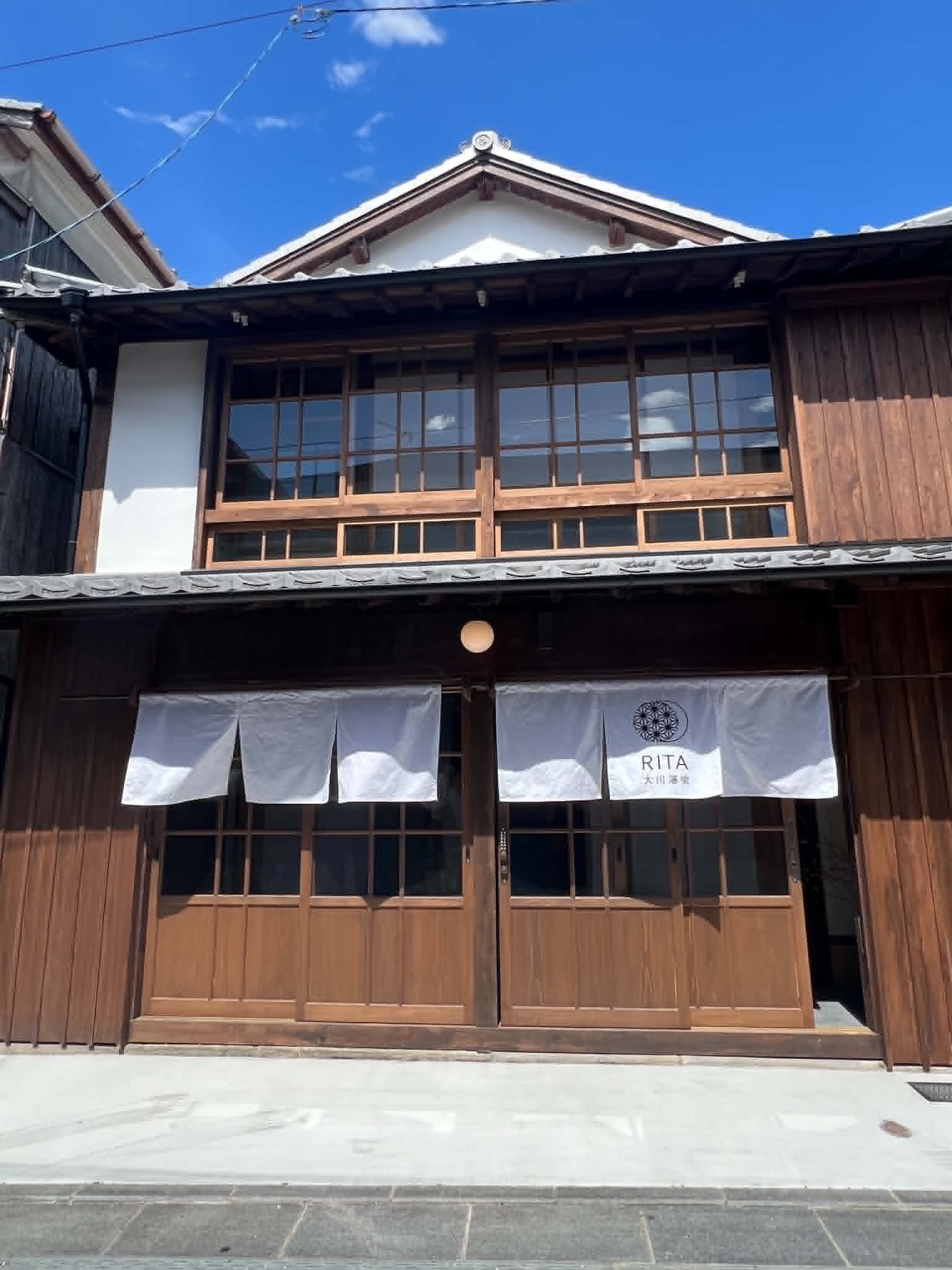
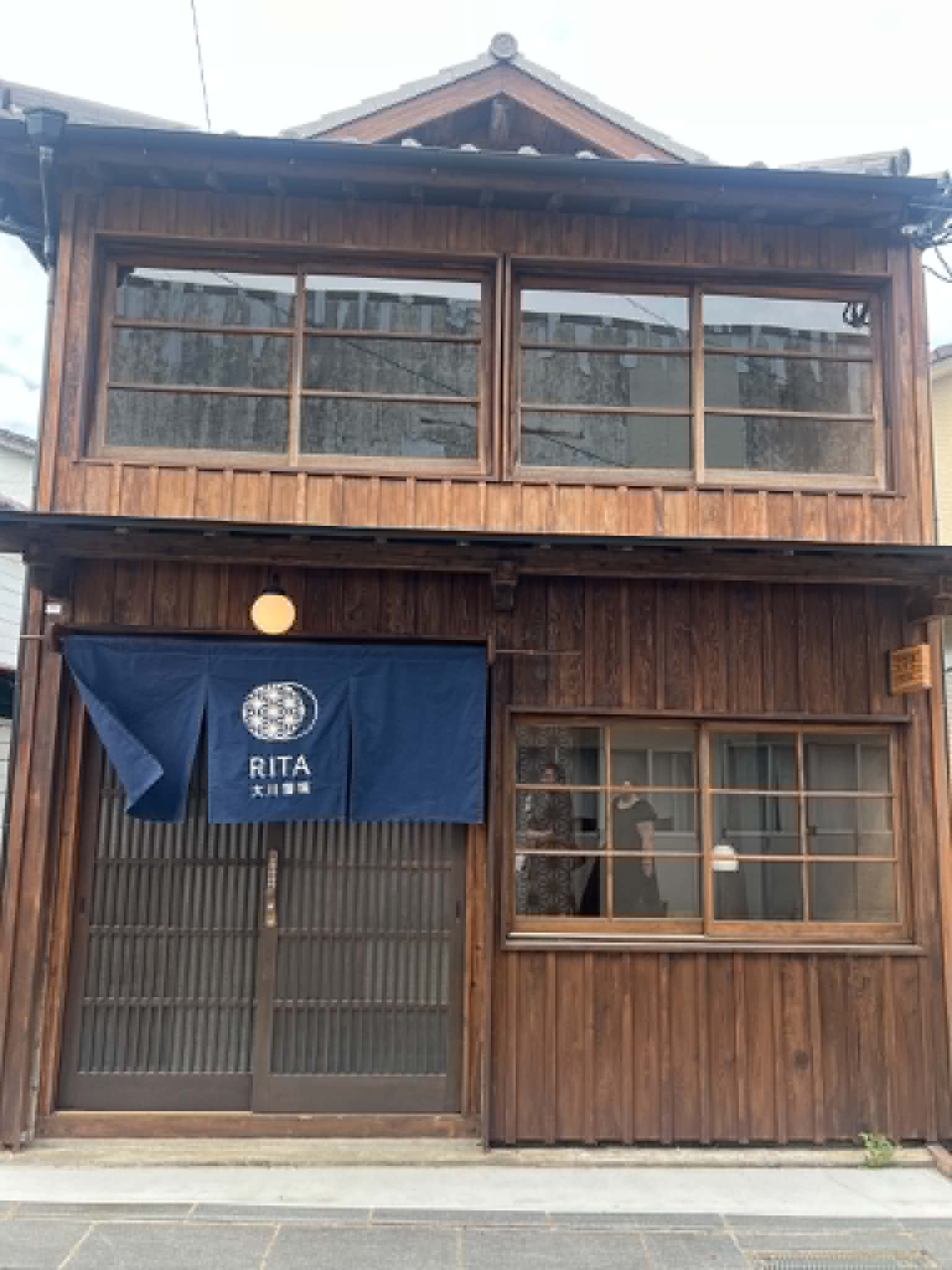
■A Guest House Where You Can Experience the Town of Woodworking
RITA Okawa Hanzakai is an entire-house rental property located in the Kobo and Enokizu clan boundary town of Okawa City, Fukuoka Prefecture. This guest house was created by beautifully renovating a historic folk house that is approximately 100 years old.
Visitors to this website may already be familiar with the history of this region. Beginning with a market held in front of Kobo Hachiman Shrine in the 16th century, the town flourished as a key hub for maritime trade and a community where ship carpenters and artisans lived. Utilizing their advanced woodworking techniques, they produced a variety of wooden goods, ranging from waterwheels to fine architectural joinery.
Around 400 years ago, during the Edo period, the area was divided by a historic waterway flowing through its center. The western side, Kobo, belonged to the Yanagawa Clan, while the eastern side, Enokizu, belonged to the Kurume Clan. Each side established its own port and checkpoint, making it a bustling town where ship carpenters, woodworkers, and merchants trading daily necessities thrived.
It is said that about 170 historic buildings remain in this area. In April 2016, the NPO “Kobo and Enokizu Clan Boundary Town Preservation Society” was established to preserve these structures and the traditional townscape.
The society carries out various activities, such as the “Historic Townscape Monitoring Team”, which visits owners individually to check on their properties. They also catalog these properties in a historical “Building Bank” to help find preservation-minded occupants, while maintaining close, ongoing relationships with the building owners.
This guest house was originally on the verge of becoming a vacant house, but the NPO stepped in to take over its care and management, ultimately revitalizing it into a unique place to stay.
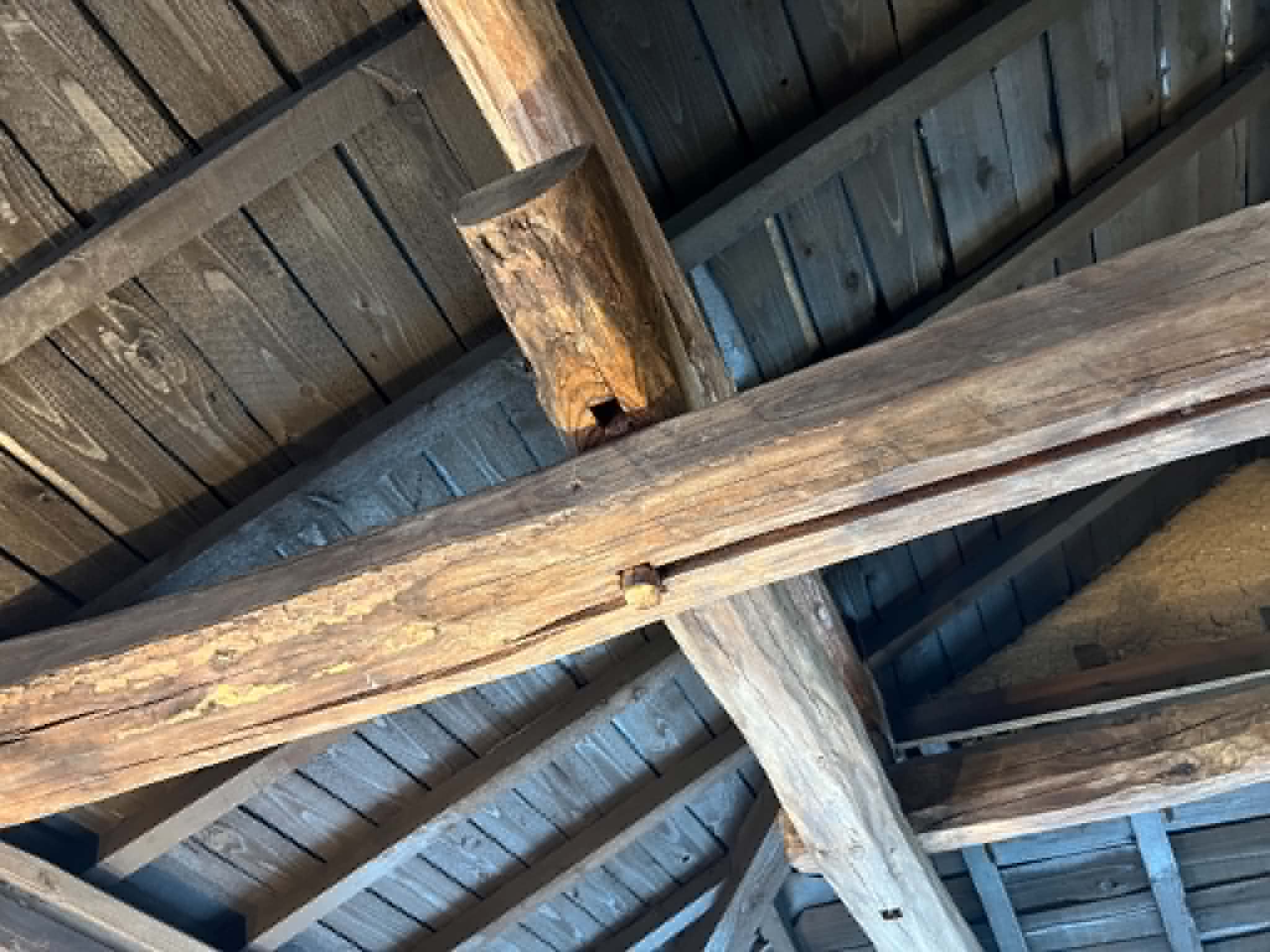
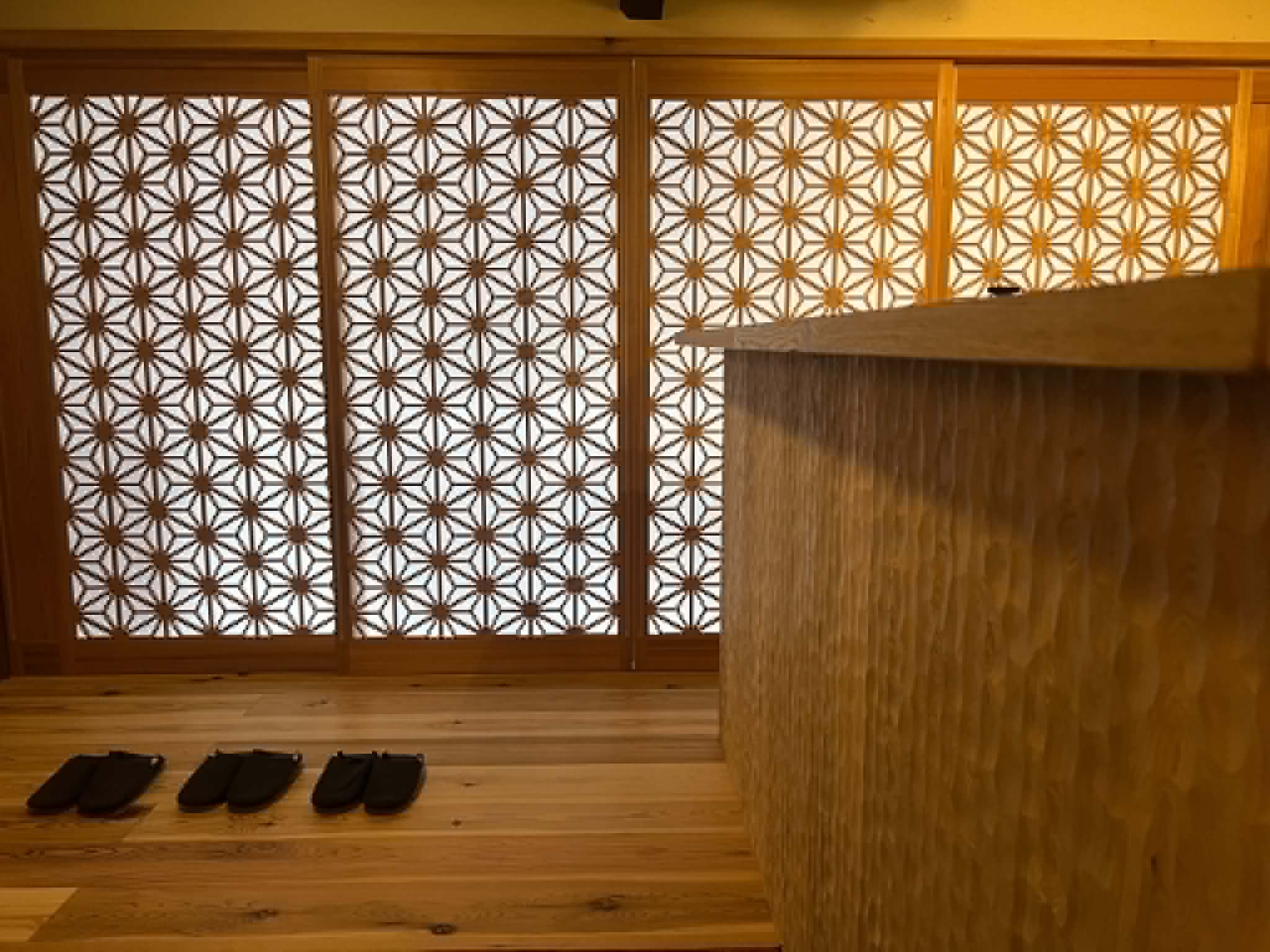
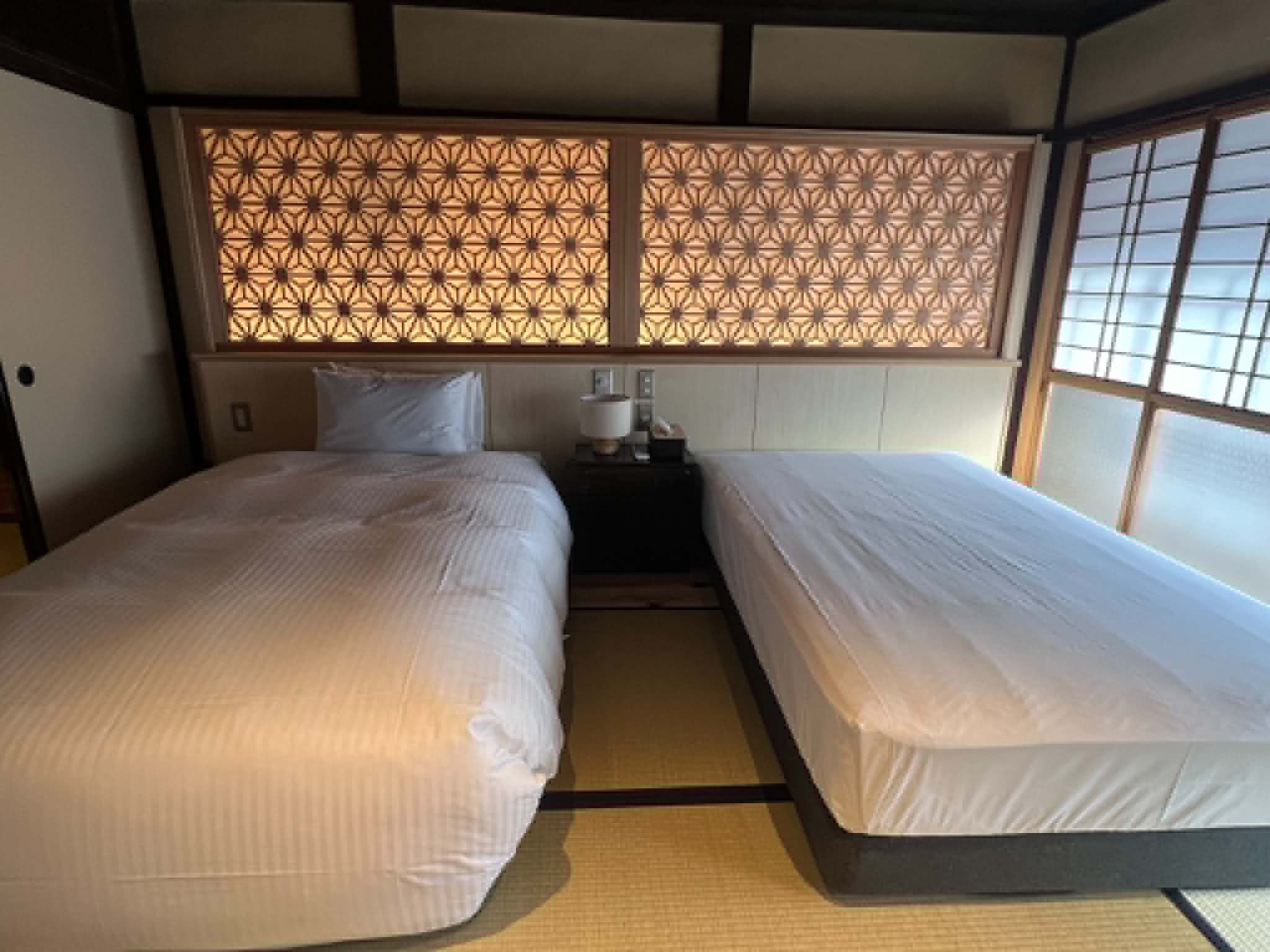
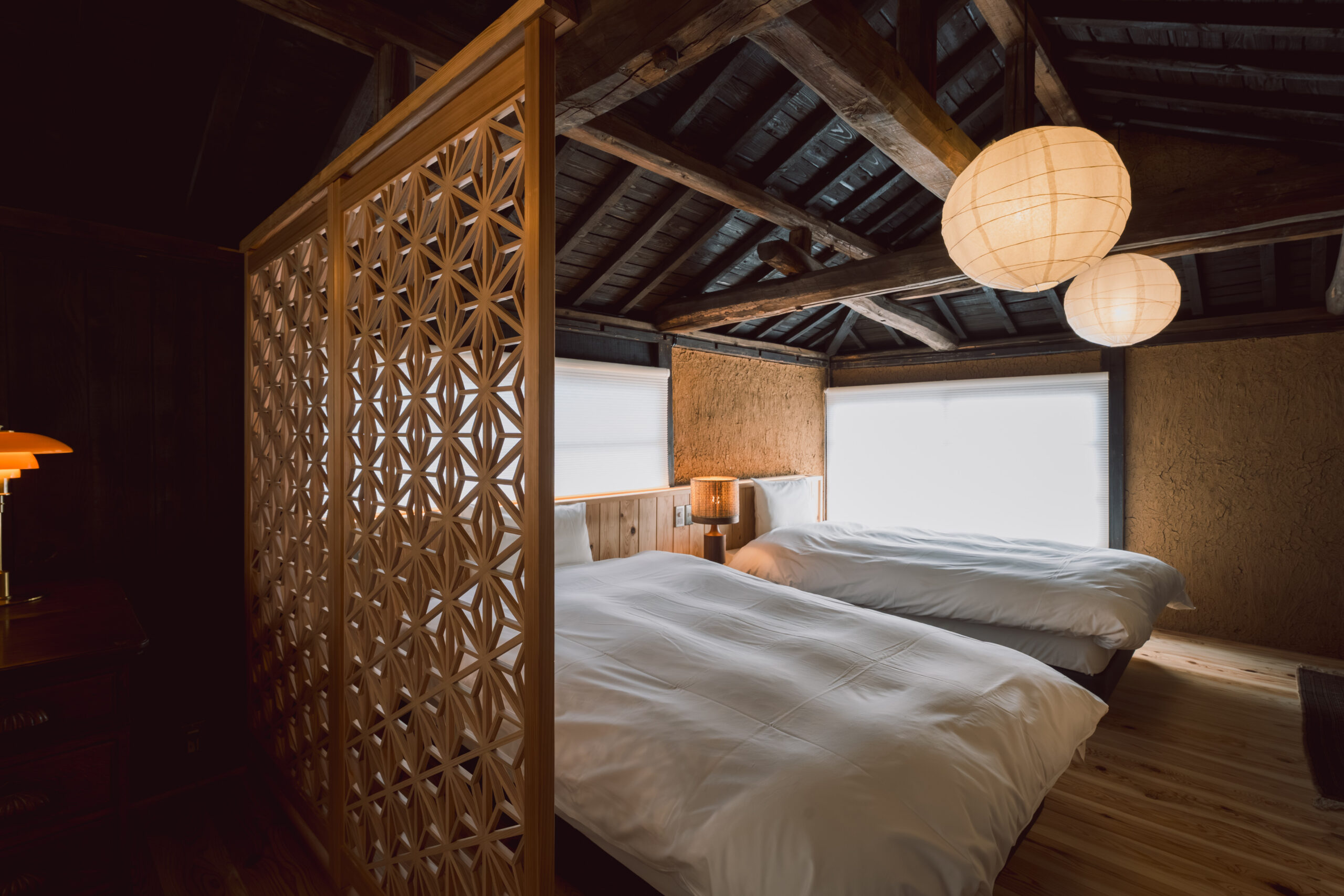
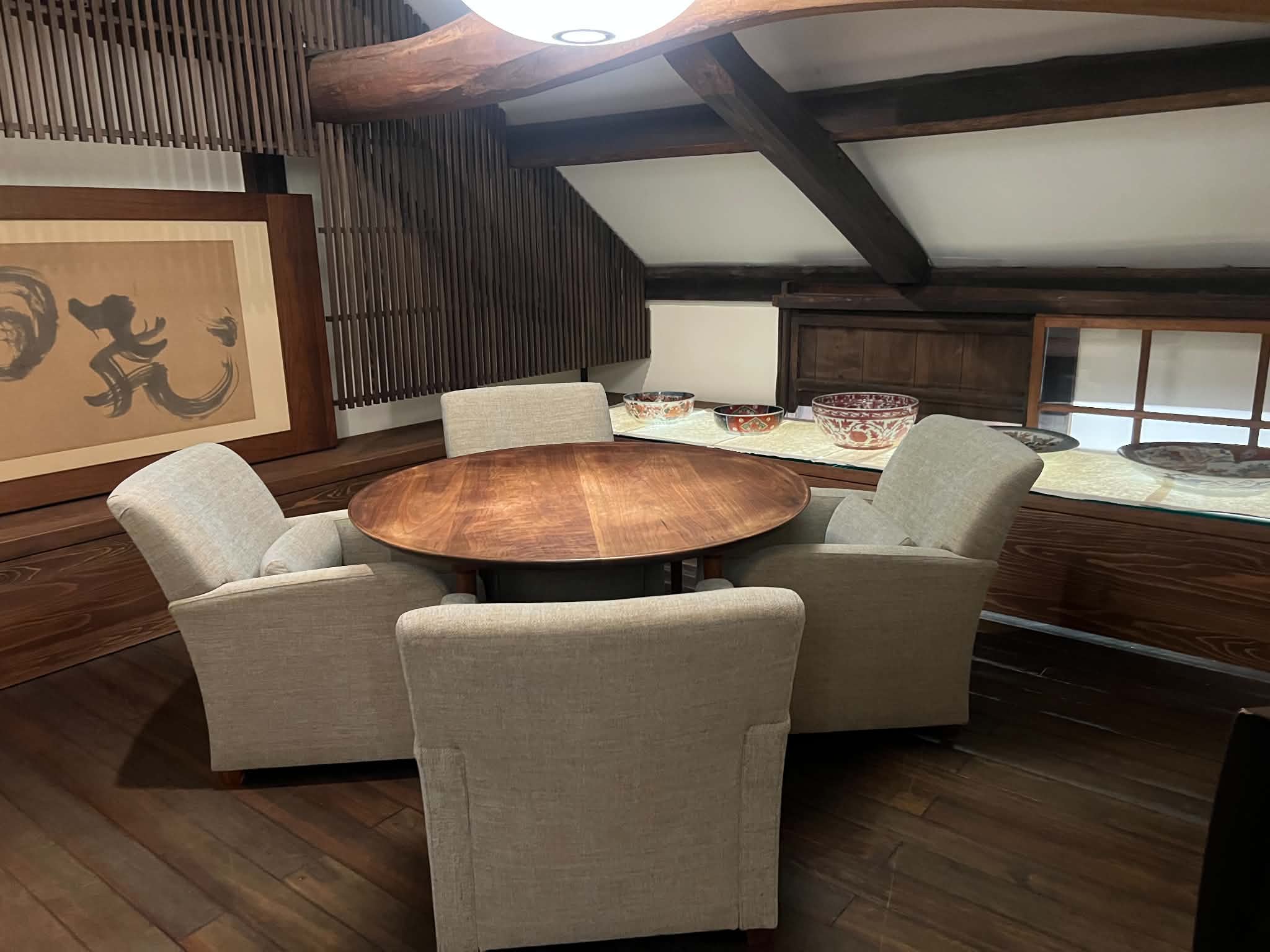
The ultimate charm of these guest houses lies in the beautifully preserved architecture, walls, and fittings. There is a seamless blend of fresh, contemporary furniture with antique joinery from the nearby Chikugo, and repurposed Okawa kumiko woodwork, letting you experience the area’s history alongside modern comfort.
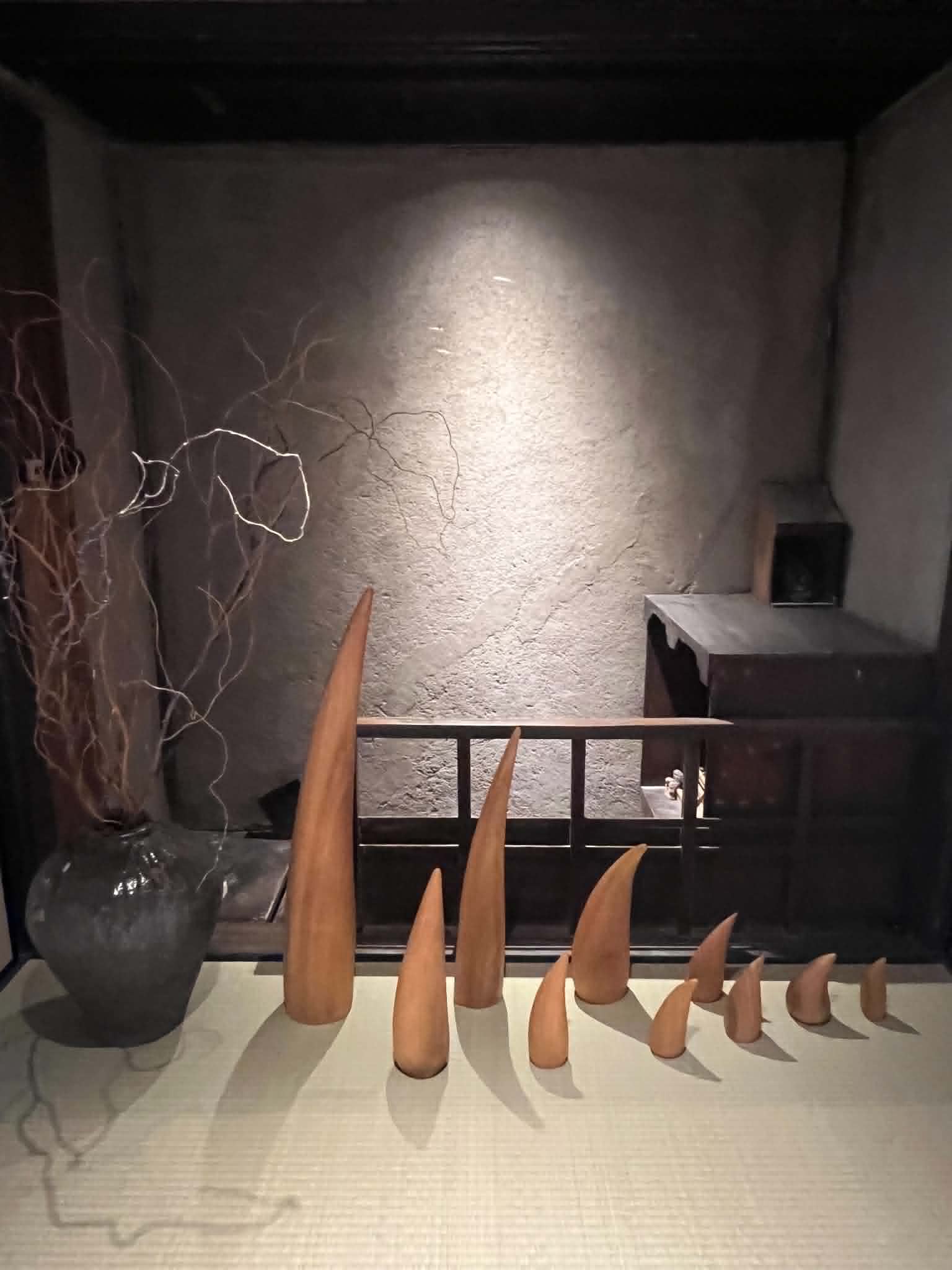
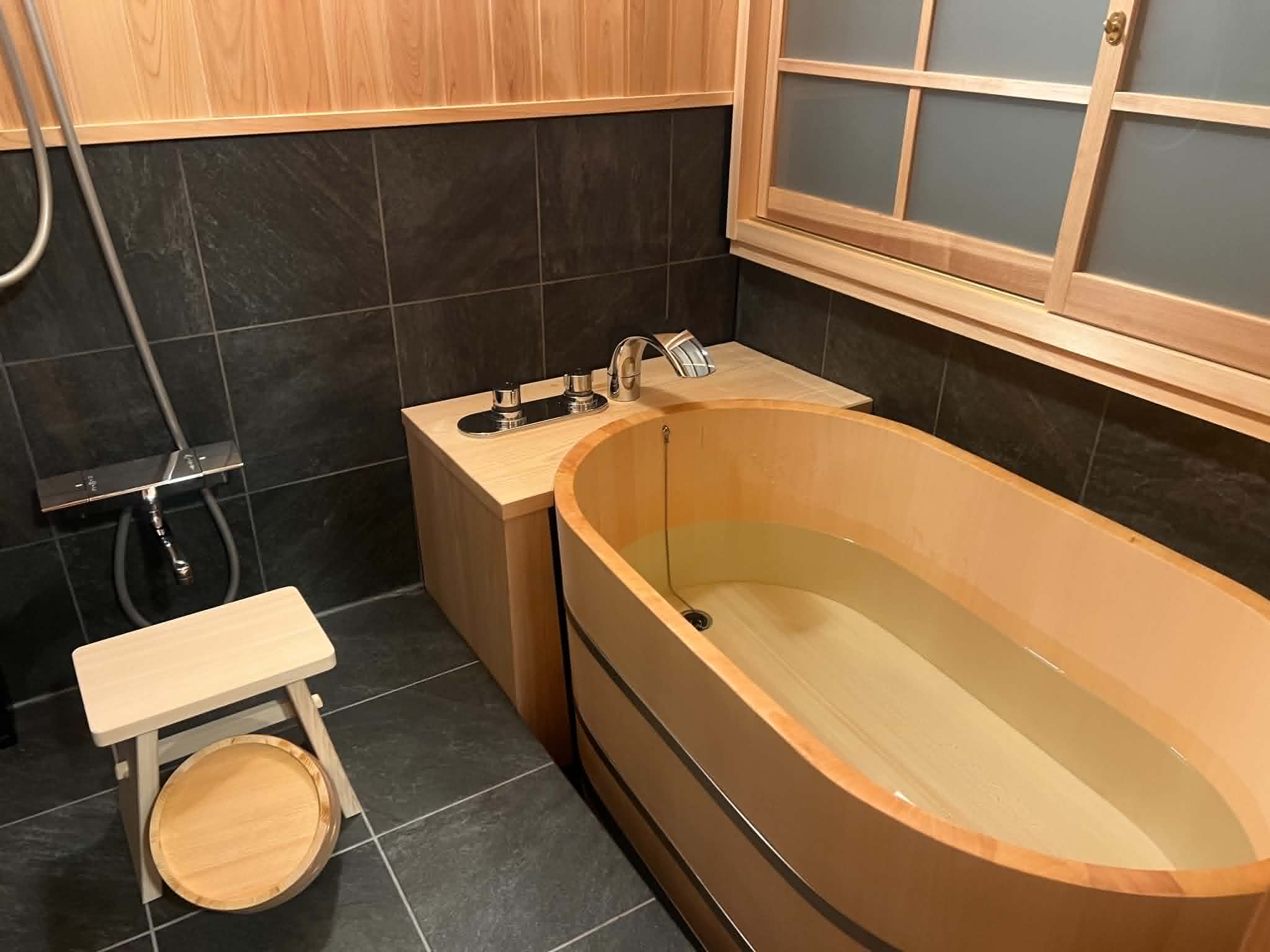
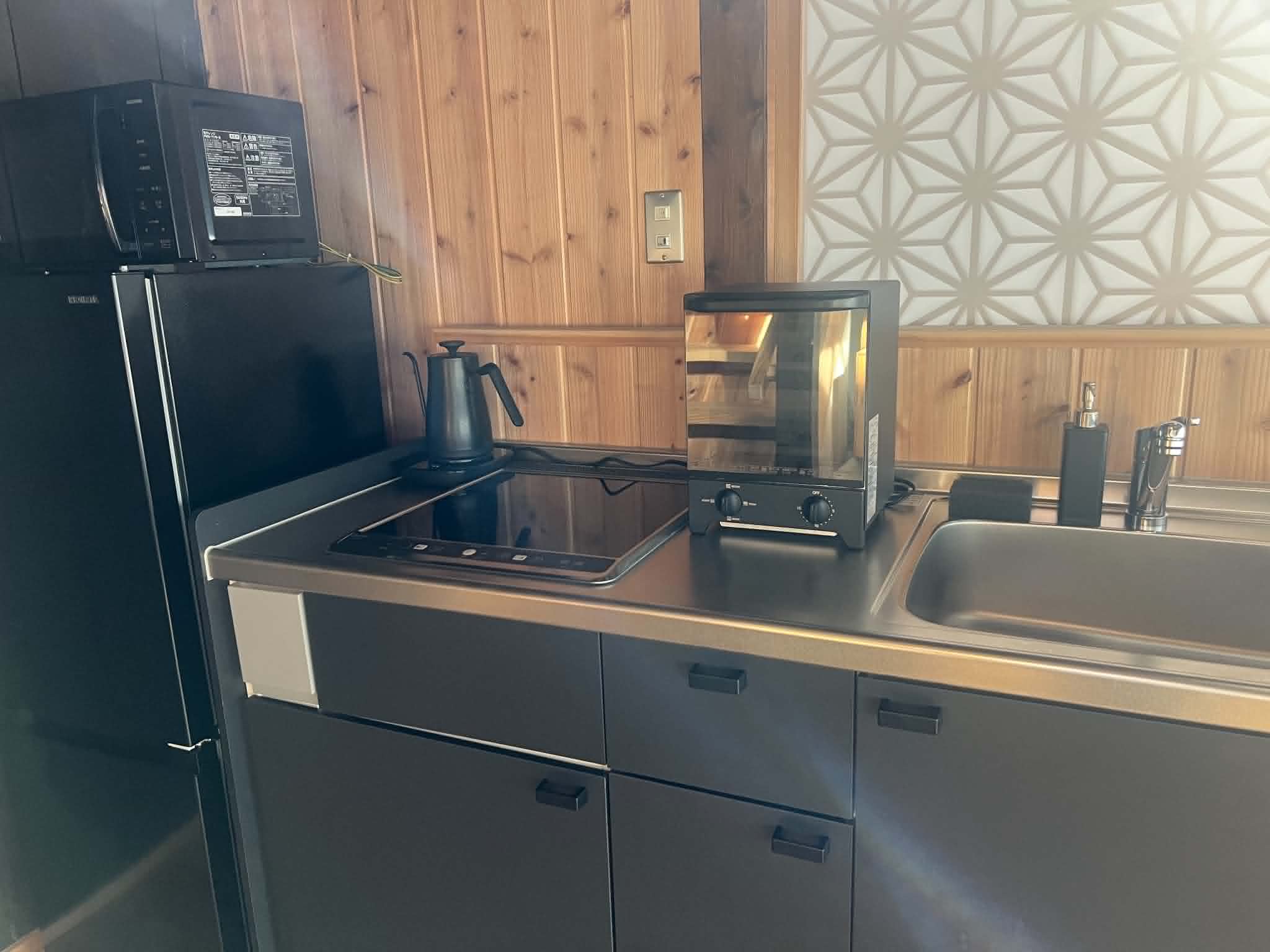
The cypress bathtub, shower, and kitchen are fully modernized and user-friendly, and the rooms are adorned with wooden decor crafted by local artisans, radiating the gentle warmth of natural wood. It creates a space where you can truly immerse yourself in Okawa’s rich woodworking culture.
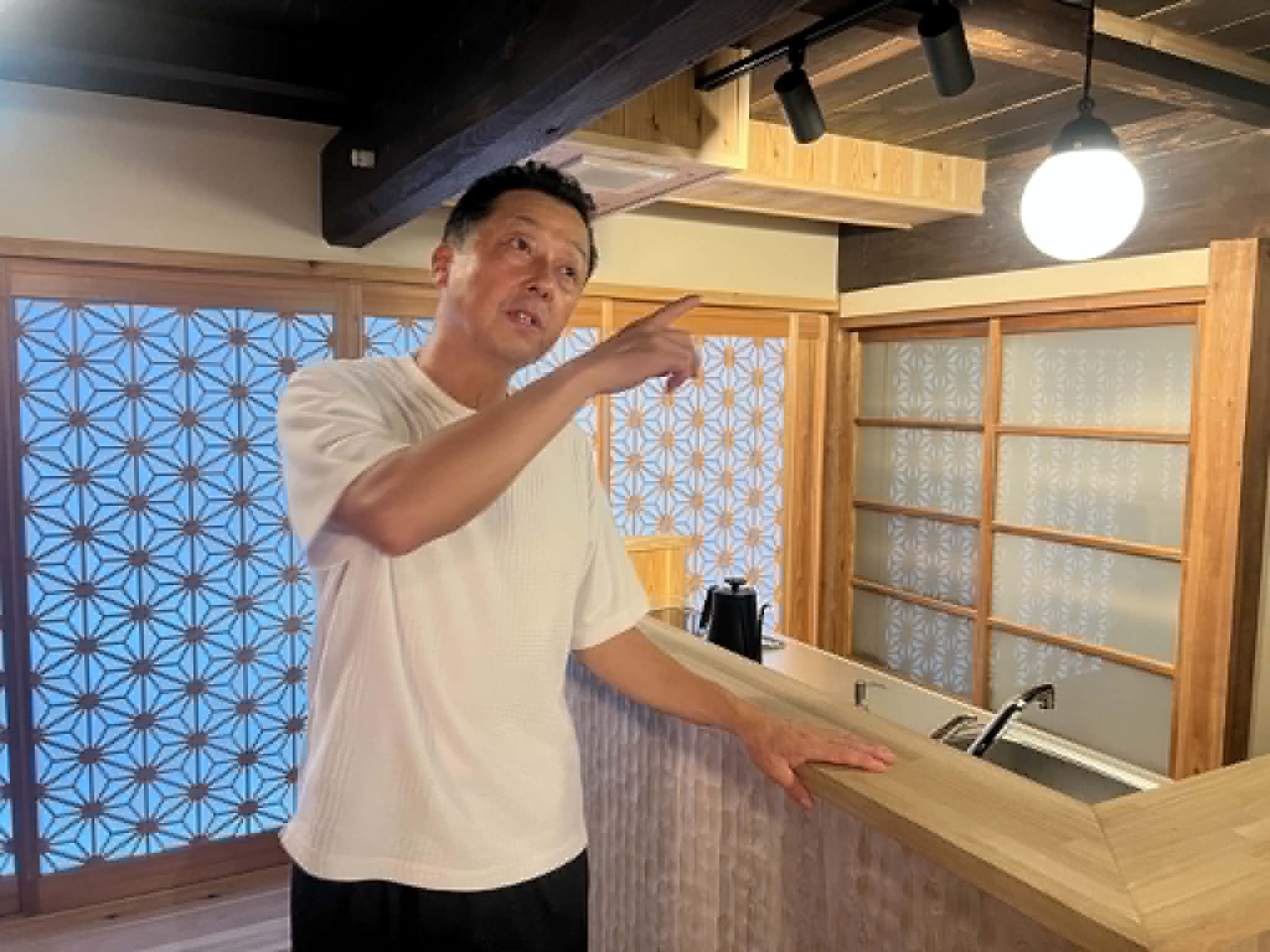
Hiroki Miyazaki from Miyazaki Furnishings—a master artisan living in the clan boundary town who crafted the joinery for the guest houses—kindly gave us a special explanation of the unique craftsmanship involved. The seamless combination of original elements, such as the preserved alcove posts and ranma (transom panels), with the brand-new joinery creates a naturally soothing space.
Mr. Miyazaki has also worked on the fixtures and interior design for JR Kyushu’s luxury train, the ‘Seven Stars in Kyushu.
Learn more about Miyazaki Furnishings here
Let’s take a closer look at the unique features of each room.
Kanna
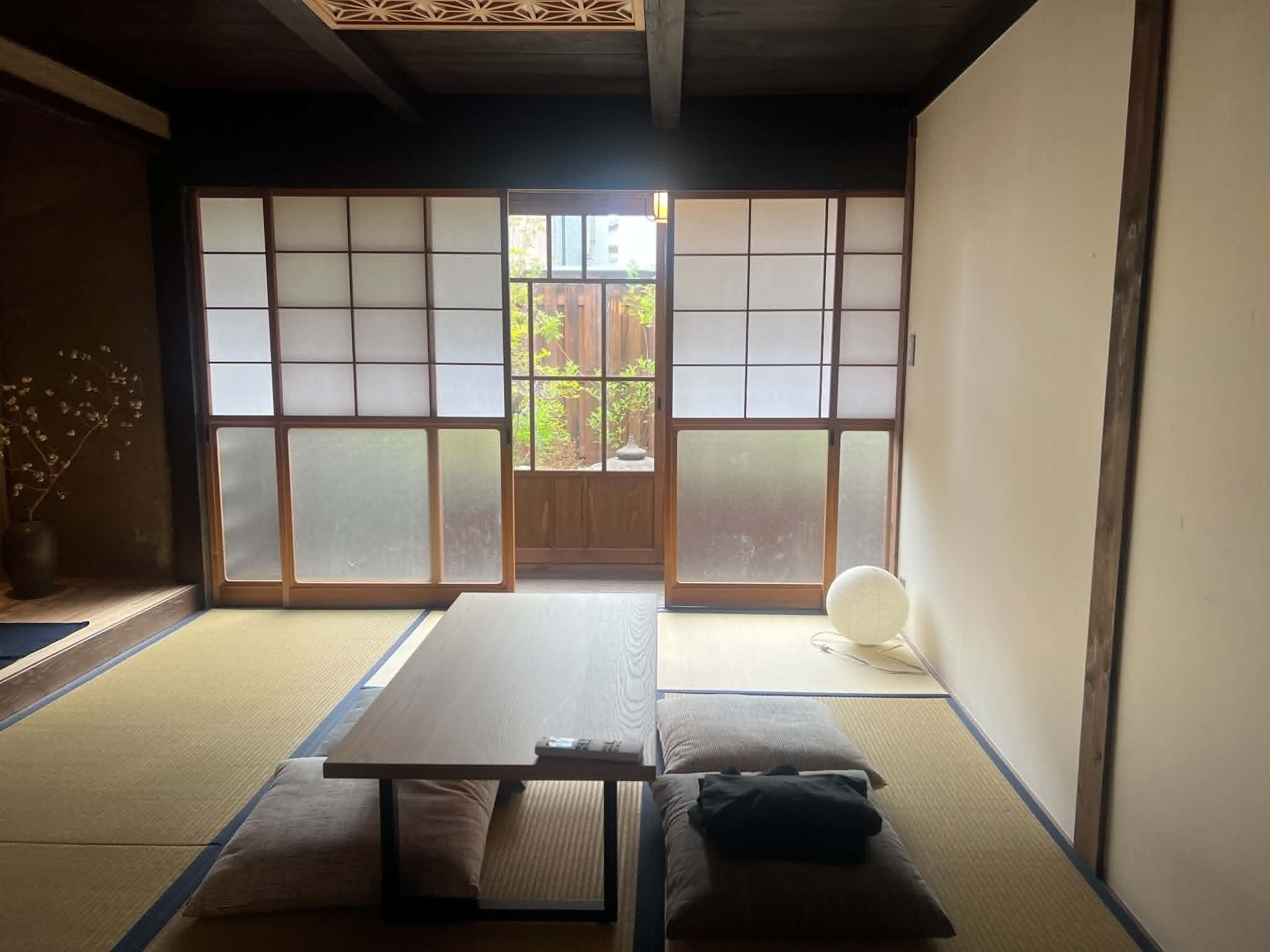
Once home to a family of ship carpenters, this spacious 129㎡ guest house can accommodate up to six guests. The first floor features an open kitchen and dining area, creating the perfect space to relax and enjoy long conversations. With two bedrooms on the second floor and a traditional Japanese-style room facing the garden on the first floor that can also be used for sleeping, it is an ideal choice for groups of up to three couples or families traveling together.
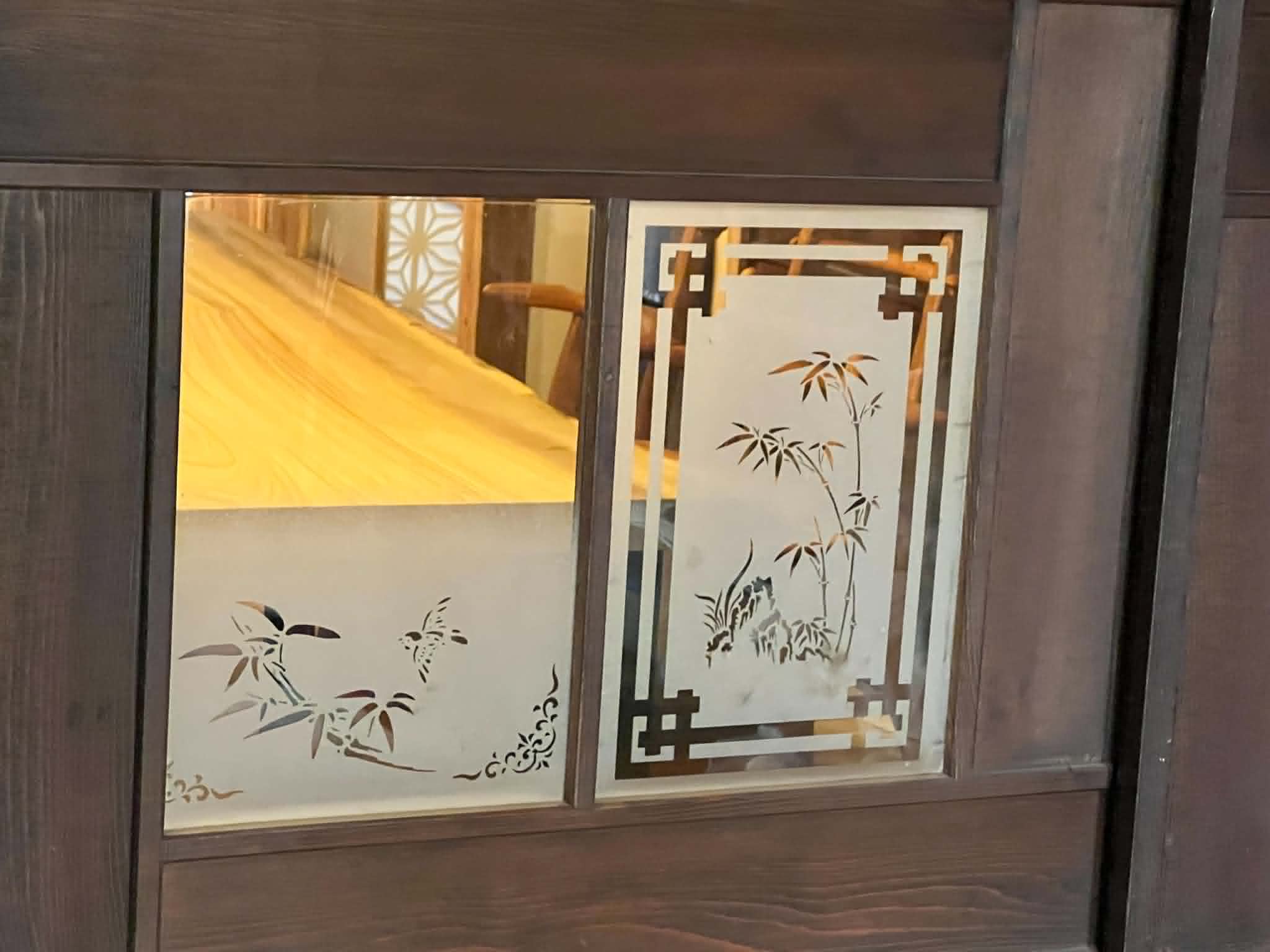
Kobiki
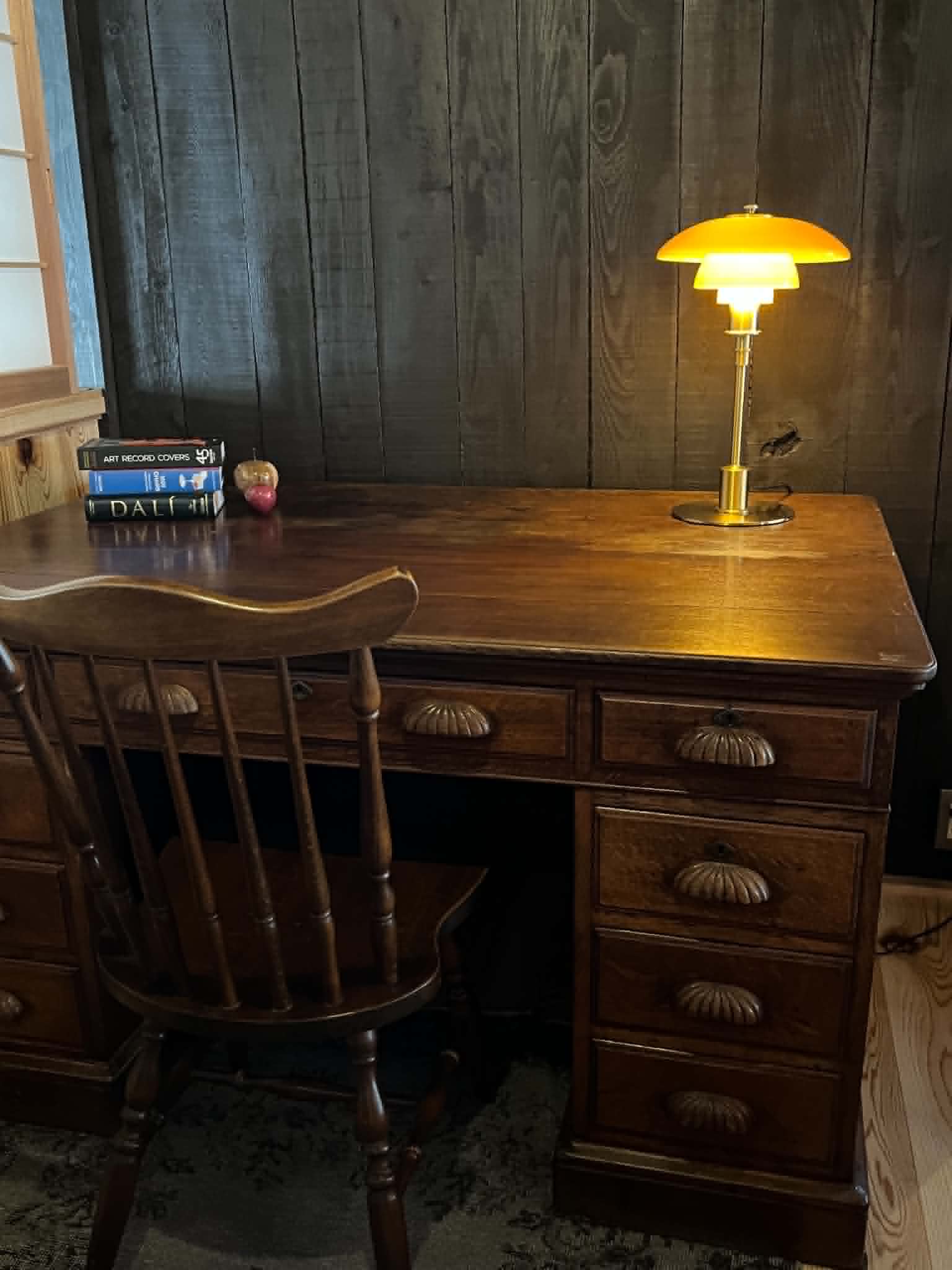
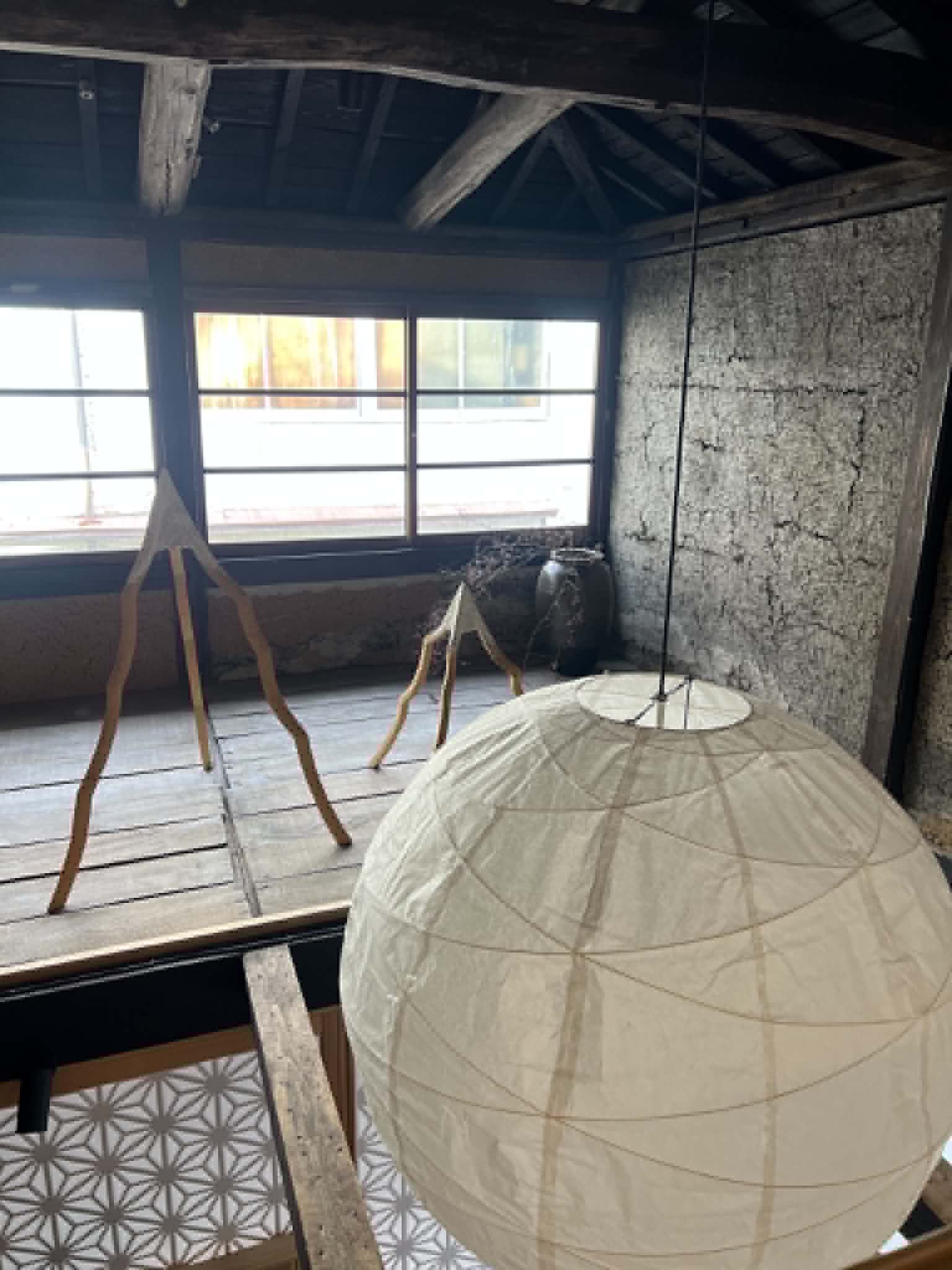
Once a furniture maker’s workshop and residence, this 80㎡ space can accommodate up to four guests. Preserving the traditional features of a classic Japanese home, it offers a desk right next to the second-floor bedroom where you could easily lose track of time reading. The open ceiling space on the second floor provides a calm, artistic atmosphere—perfect for those seeking a quiet, mindful stay enveloped in the past.
The following are some highlights I recommend everyone enjoys during their stay.
Soaking in the private cypress bath filled with warm water allows you to unwind enveloped in the rich aroma of natural wood. For added convenience, the bathroom also features both an overhead and standard shower.
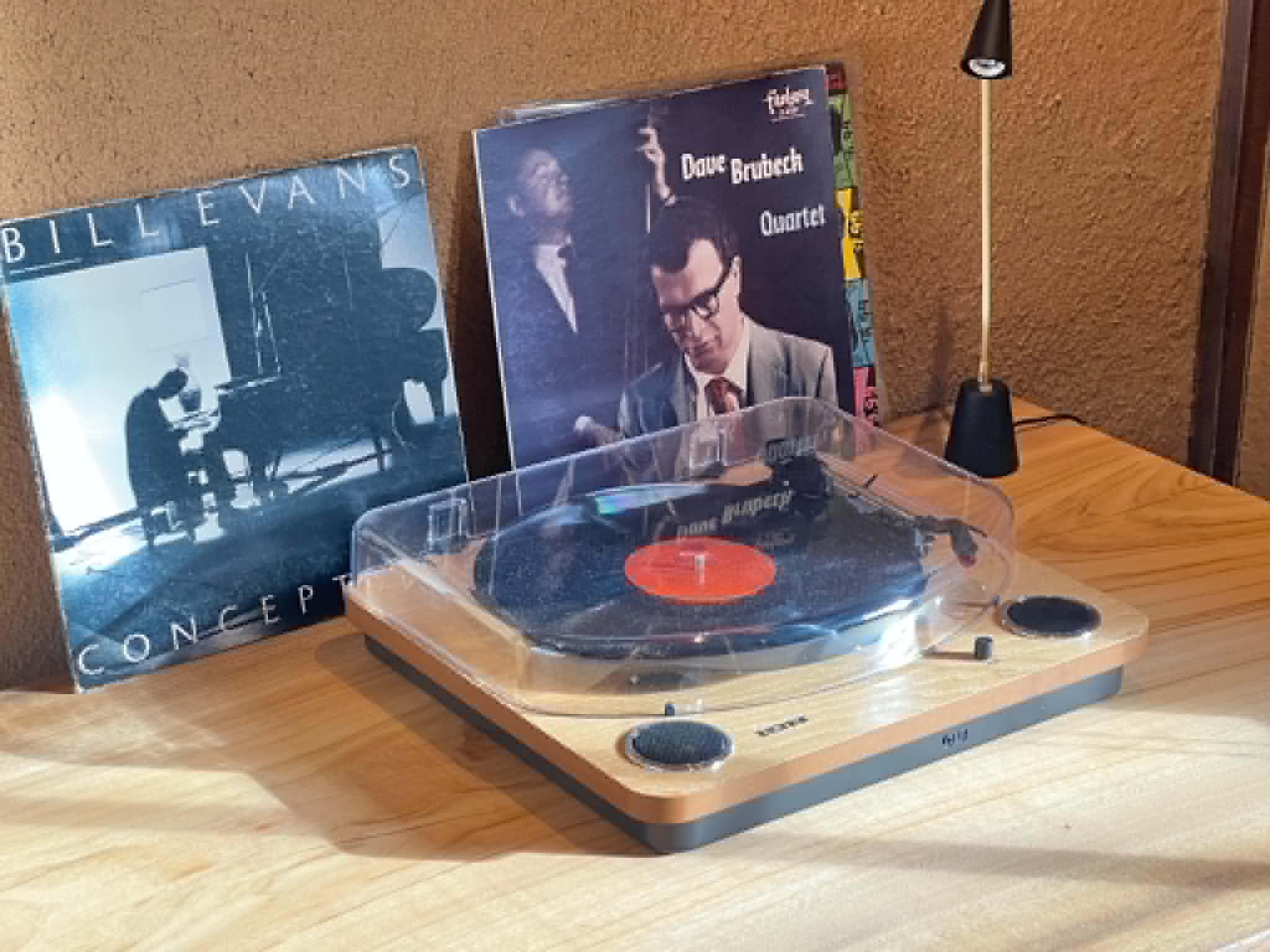
Take the time to enjoy listening to vinyl records. Though few people handle them nowadays, their warm, nostalgic sound offers a moving experience that makes you feel the passage of time.
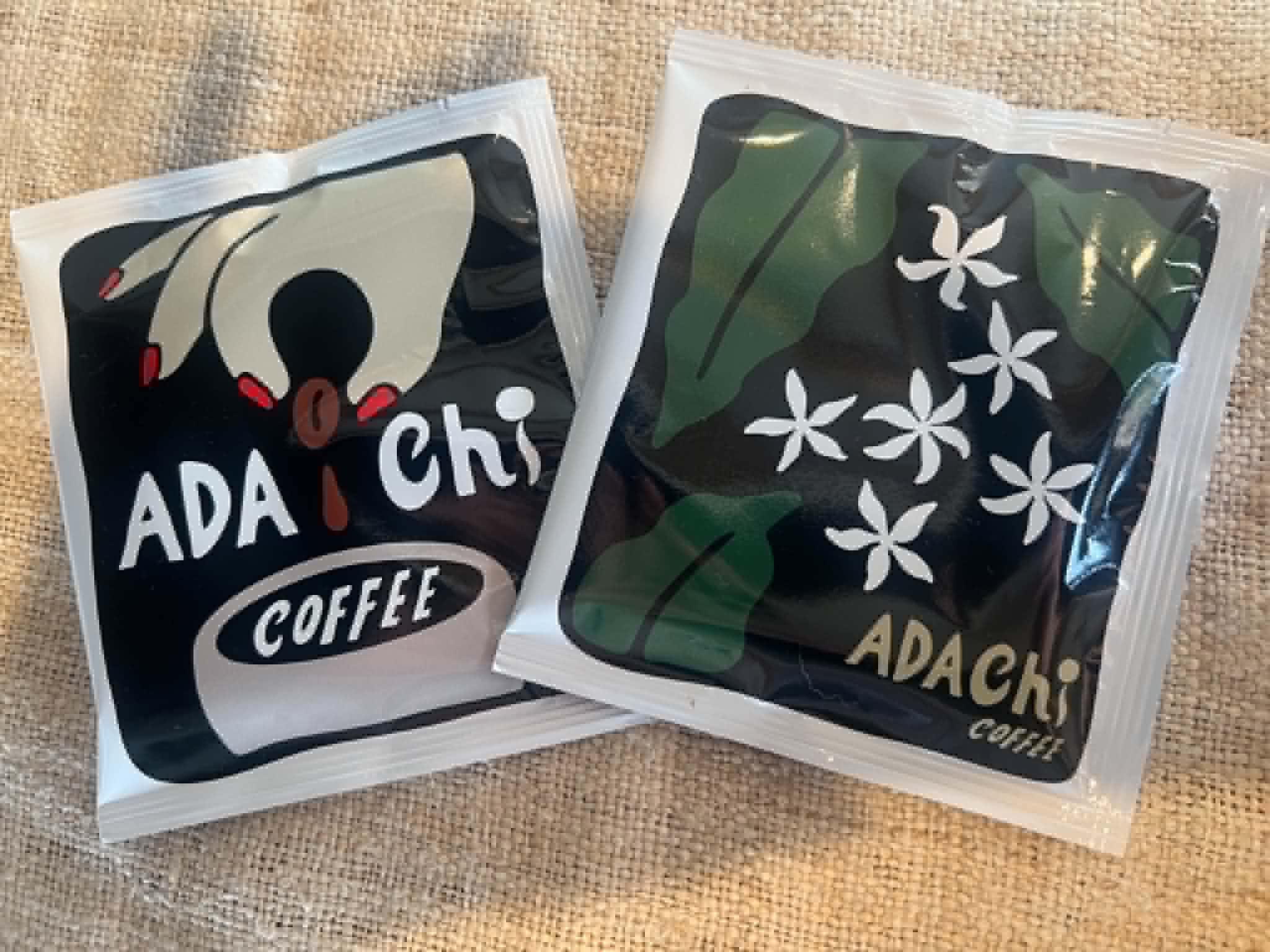
Unwind and enjoy a relaxing coffee break with a drip bag from Adachi Coffee, a specialty coffee roaster with its main shop nearby, paired with Saga’s famous Maruboro soft cookies.
■Order in and Savor the Flavors of Local Restaurants for Dinner
Since the guest houses are fully equipped with a kitchen, you can enjoy preparing and cooking your own meals.
However, I highly recommend ordering in at least once during your stay.
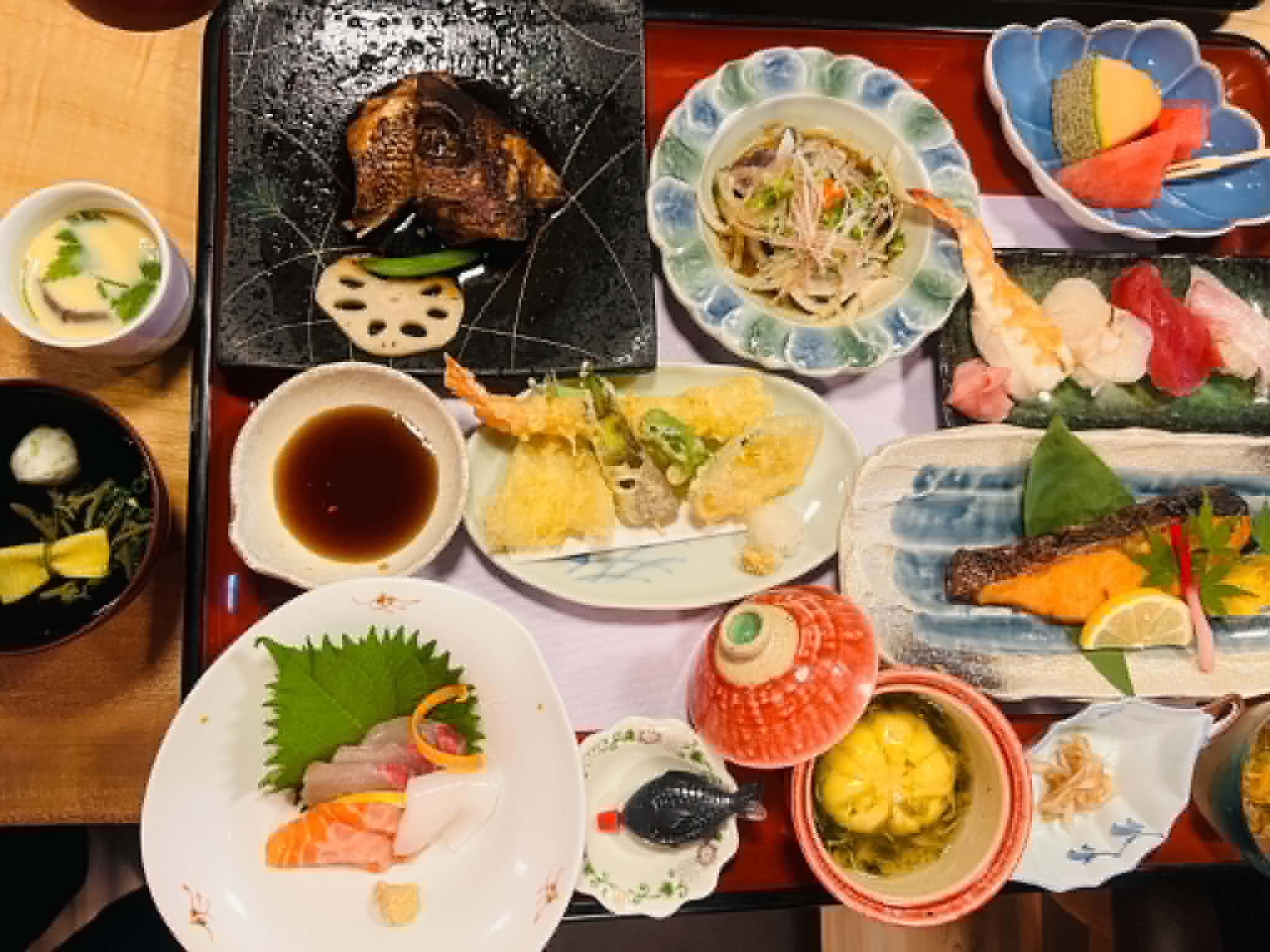
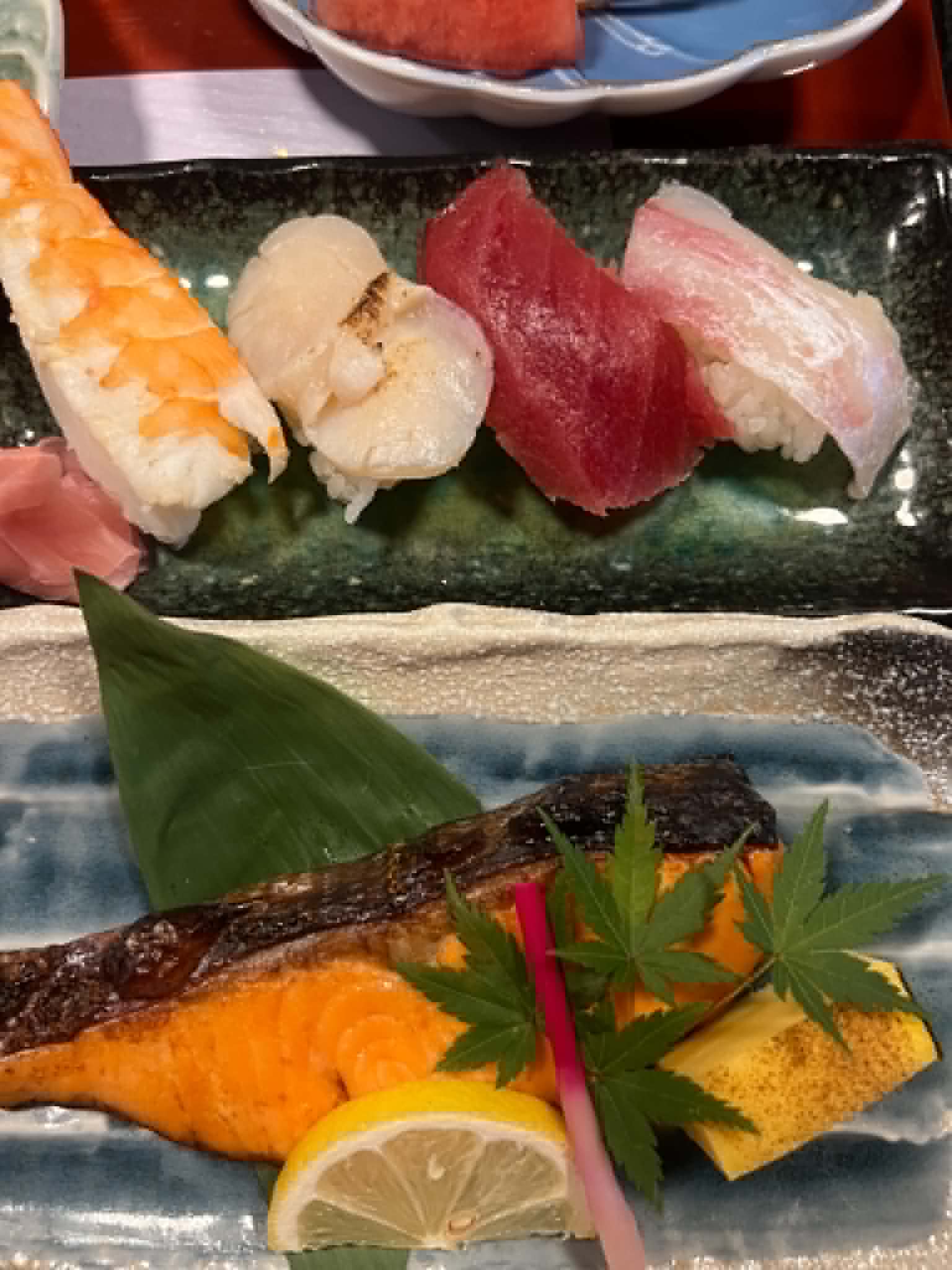
Sendo Sushi, a local favorite in Okawa, will deliver a traditional Kaiseki course directly to your guest house. You can enjoy the many beautiful dishes featuring sushi that showcases the chef’s careful handiwork, seasonal fish, sashimi, tempura, vinegared dishes, chawanmushi (savory egg custard), soup, and fruit. Vegetarian options are available upon request when booking.
■A Western-Style Breakfast Unique to Okawa
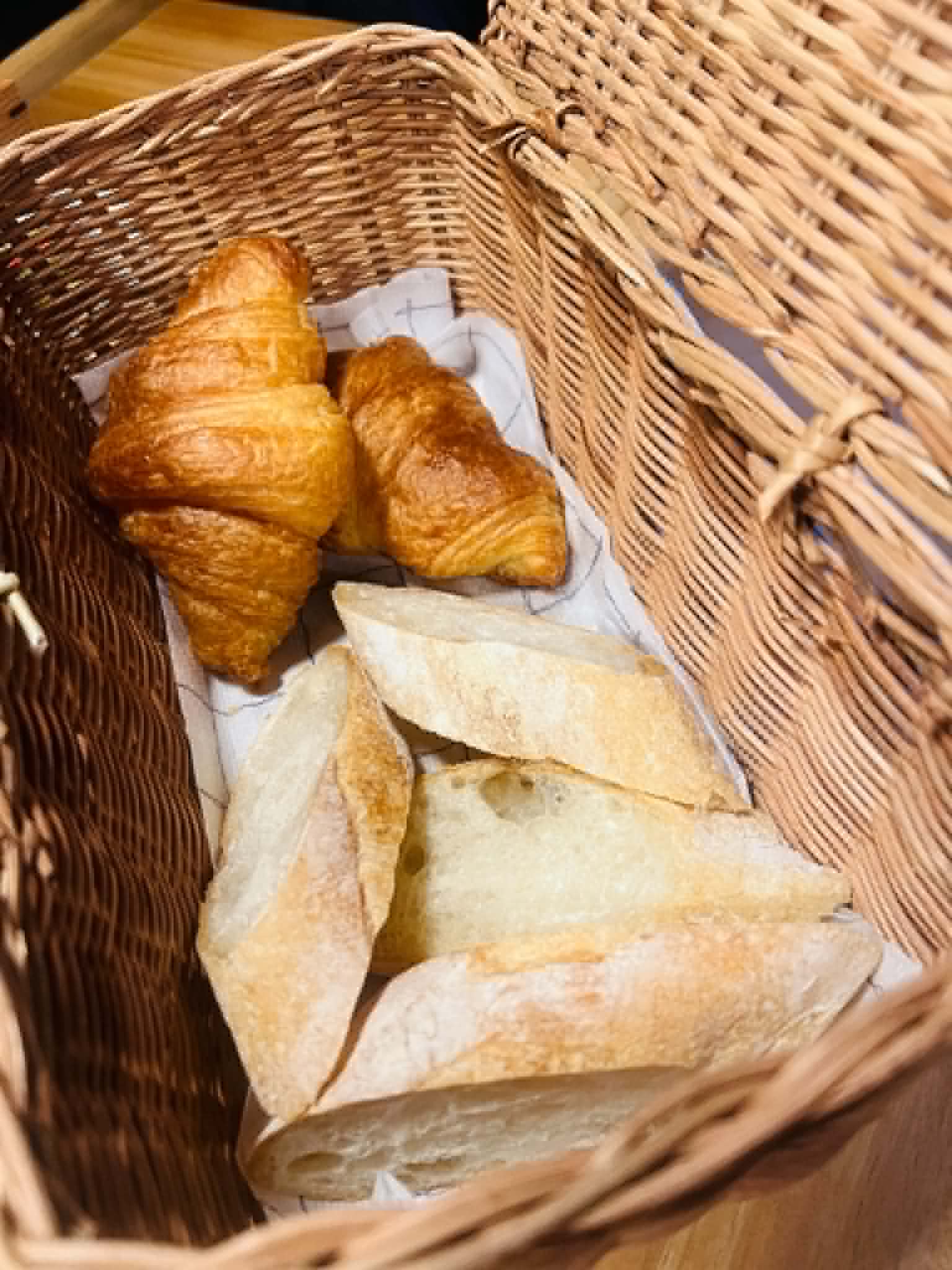
For breakfast, you can enjoy local flavors featuring a baguette and croissant from the bakery Paris Montsouri, located close by. The meal also includes a boiled egg and pickles paired with an oeuf mayonnaise sauce made using premium vinegar from the local Shobun vinegar brewery. During our stay, they also served soup made with seaweed from the nearby Ariake Sea. The breakfast is served in a beautiful wooden box crafted by a local Okawa artisan. Vegetarian options are available upon request when booking.

RITA Okawa-Hanzakai
Explore the homepage here
Reception building
523 Enokizu, Okawa City, Fukuoka Prefecture 831-0004
Guest rooms
・Kanna: 588 Enokizu, Okawa City, Fukuoka
・Kobiki: 585 Enokizu, Okawa City, Fukuoka
Check-in is from 3:00 PM to 6:00 PM, and check-out is by 10:00 AM. The property offers free Wi-Fi, free parking and smoking is prohibited throughout.
Access
By car
Approximately 20 minutes from Kyushu Saga International Airport.
Approximately 1 hour and 10 minutes from Fukuoka Airport.
By public transport
Take the Nishitetsu Omuta Line Limited Express from Nishitetsu-Fukuoka (Tenjin) Station (approx. 50 mins) and get off at Nishitetsu-Yanagawa Station.
From there, take the Nishitetsu Bus bound for Saga Station Bus Center (approx. 20 mins), get off at the bus stop, Nakahara Takagi Byoin-mae, and walk for about 15 minutes.
■Savoring Every Moment in the Historic Border Town
The historic Kobo-Enokizu Hanzakai district, where the guest houses are located, is an intimate neighborhood that takes a mere twenty minutes to stroll from end to end. Yet, tucked away within its quiet streets lies a treasure trove of artisan culture, where the legacy of master craftsmanship and traditional daily life seamlessly intertwine. When you stay at RITA Okawa Hanzakai, make sure to take your time and fully enjoy everything this remarkable town has to offer.
(1) The Former Yoshihara Family Residence
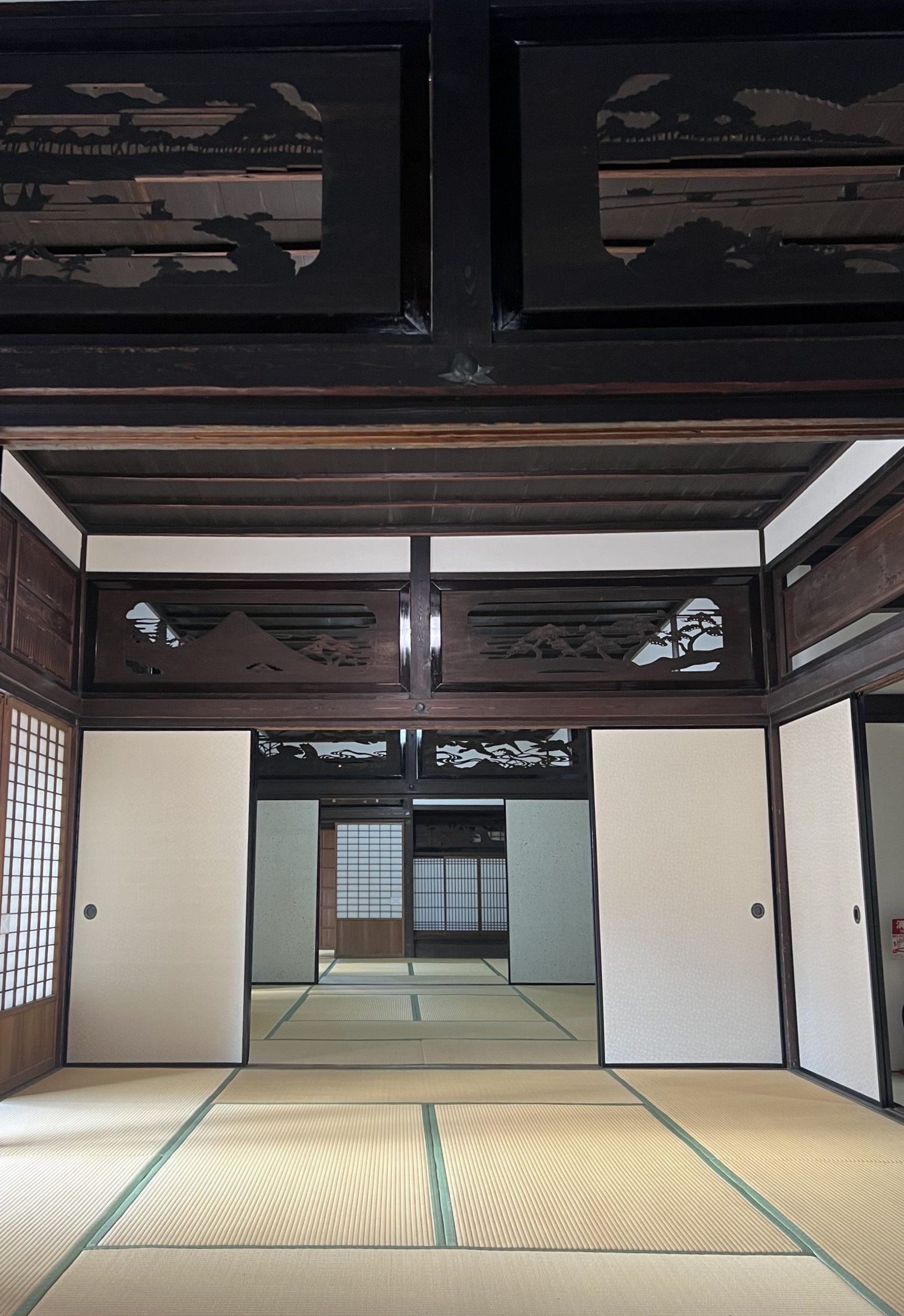
The Former Yoshihara Family Residence is the statement landmark of this historic border town. This estate belonged to the hereditary administrators who governed Kobo for the Yanagawa Domain—and both the main residence and its grand onarimon gate—a stately entrance reserved exclusively for visiting lords and inspectors— are designated as Important Cultural Properties of Japan. The main house itself is said to have been constructed in 1825. Visiting the estate, I was deeply moved by the traditional architecture. The extraordinary woodwork—featuring entire wall panels carved from a single tree—paired beautifully with the meticulously maintained Japanese gardens. Combined with the minimalist decor, the entire residence truly felt like a piece of living history.
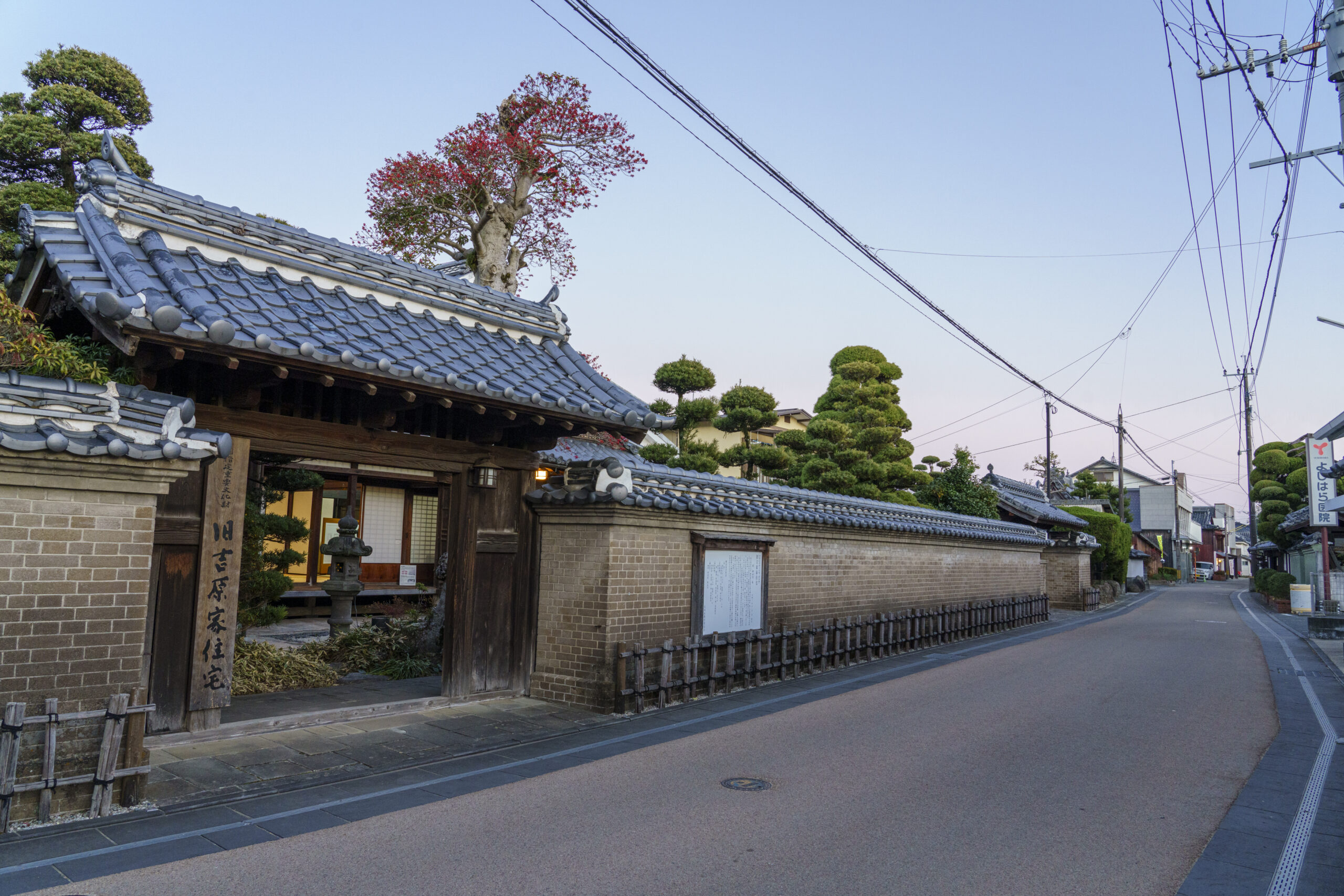
Stepping past the traditional raised entrance, a series of formal rooms unfold — spaces originally designed to welcome high-ranking guests. These rooms feature soaring three-meter ceilings crafted from premium Kitayama cedar, with master craftsmanship visible in every detail, from the intricate ranma to the decorative nail covers. Massive wooden beams line the living areas, letting you truly feel the atmosphere of the past. Don’t miss trying the traditional amado (wooden storm shutters); realizing the staff handle them daily allows you to appreciate the hard work that goes into maintaining this historic property. Experiencing how they operate is a major highlight for travelers from around the world.
Another charming aspect of the estate is how the decor changes beautifully to reflect the five traditional seasonal festivals, the solar calendar, and special local events. My visit happened to coincide with August 7th, the day of Tanabata according to the lunar calendar, so I was able to write a wish on a paper strip and hang it on the traditional bamboo display. I felt very fortunate to be able to participate in a traditional event, and it deepened my connection to Japanese culture while offering a fascinating glimpse into traditions.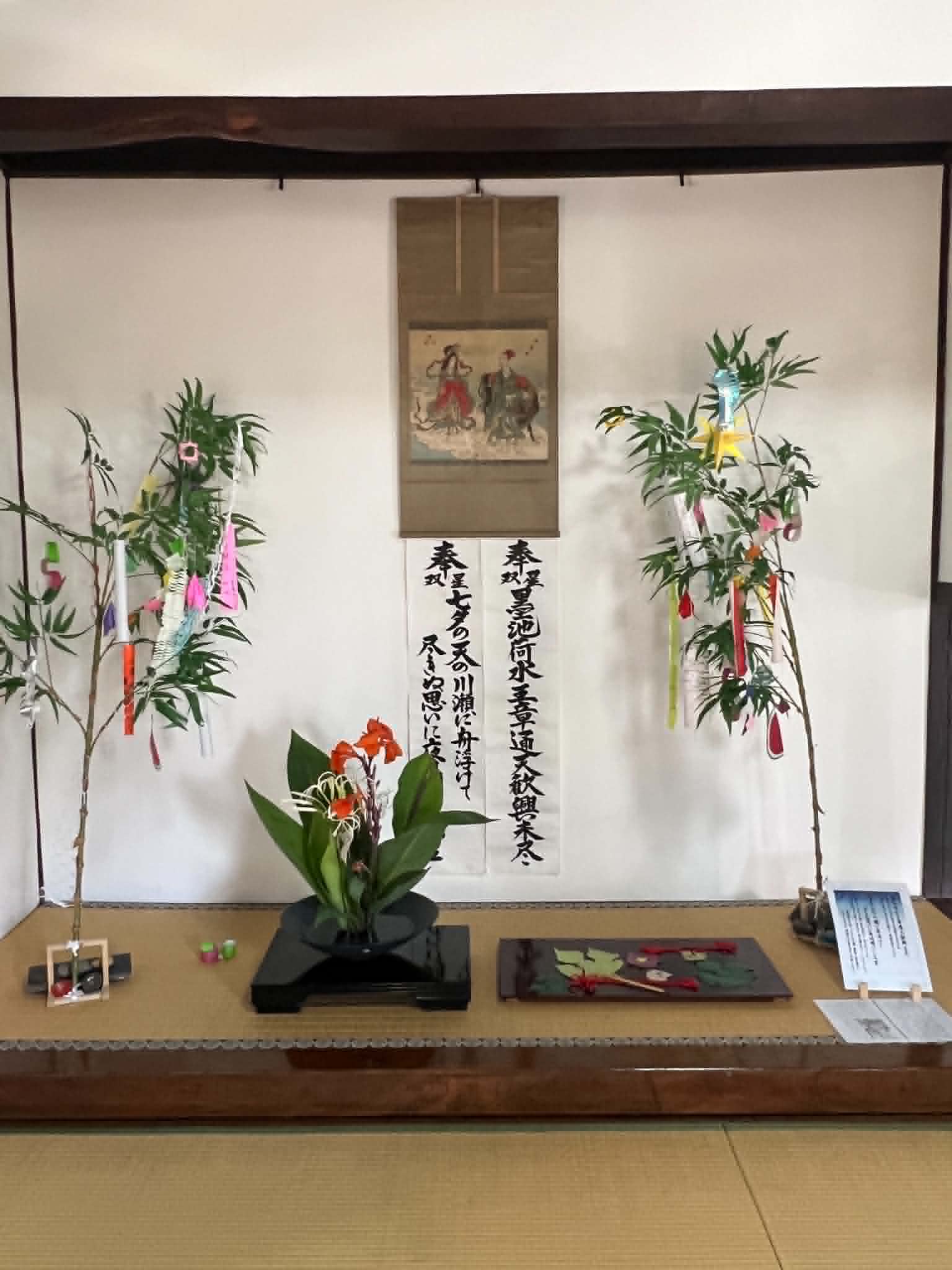
The estate offers two immersive activities: an Okawa kumiko woodworking experience and a traditional matcha (green tea) experience.
For the woodworking experience, you are provided with a craft kit and guided step-by-step by the knowledgeable staff. I was immediately amazed just by looking at the incredibly tiny, precise wooden parts prepared for us. It is truly fascinating to see how assembling these miniature pieces creates the breathtakingly intricate kumiko lattice patterns. Through participating in this experience, I developed a deep respect for the artisans who create these pieces from scratch, especially when imagining the effort required for larger, more complex designs. Completing a piece entirely on my own would have been nearly impossible due to the absolute precision and accuracy required to place each sliver of wood, making me all the more grateful for the patient and helpful staff.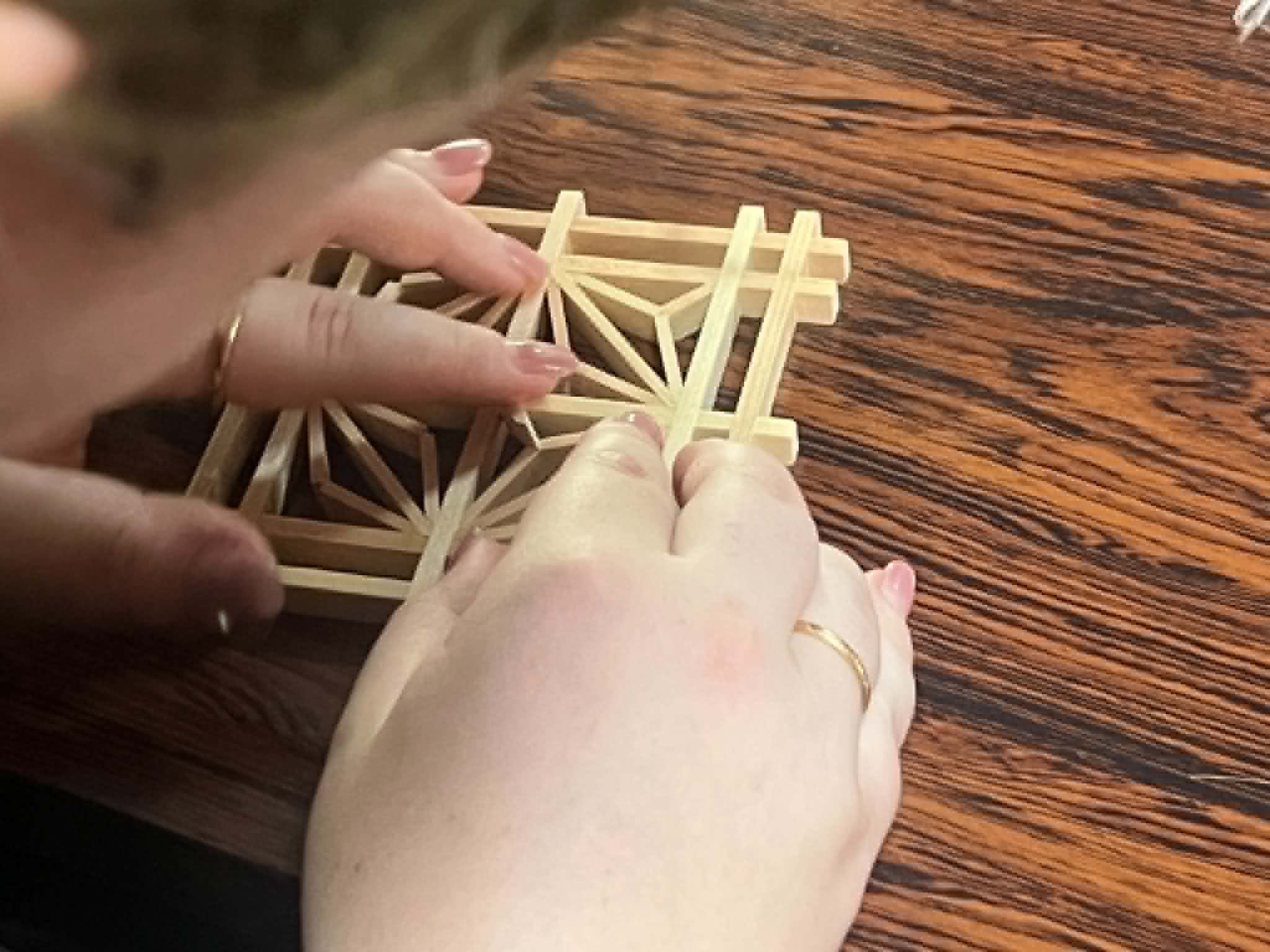
For the matcha experience, you whisk your own bowl of green tea under the guidance of the staff, which is then enjoyed alongside a beautiful traditional Japanese confection. When paired with the interior design and architecture of the estate, the traditional nature and precision of the tea ceremony truly allowed me to experience Japanese culture deeply. I learned how to prepare beautiful green tea the traditional way and enjoyed a perfectly paired sweet treat. I highly recommend this experience for those not just interested in tea, but also those who appreciate a quiet moment and learning about Japanese culture on a more intimate level.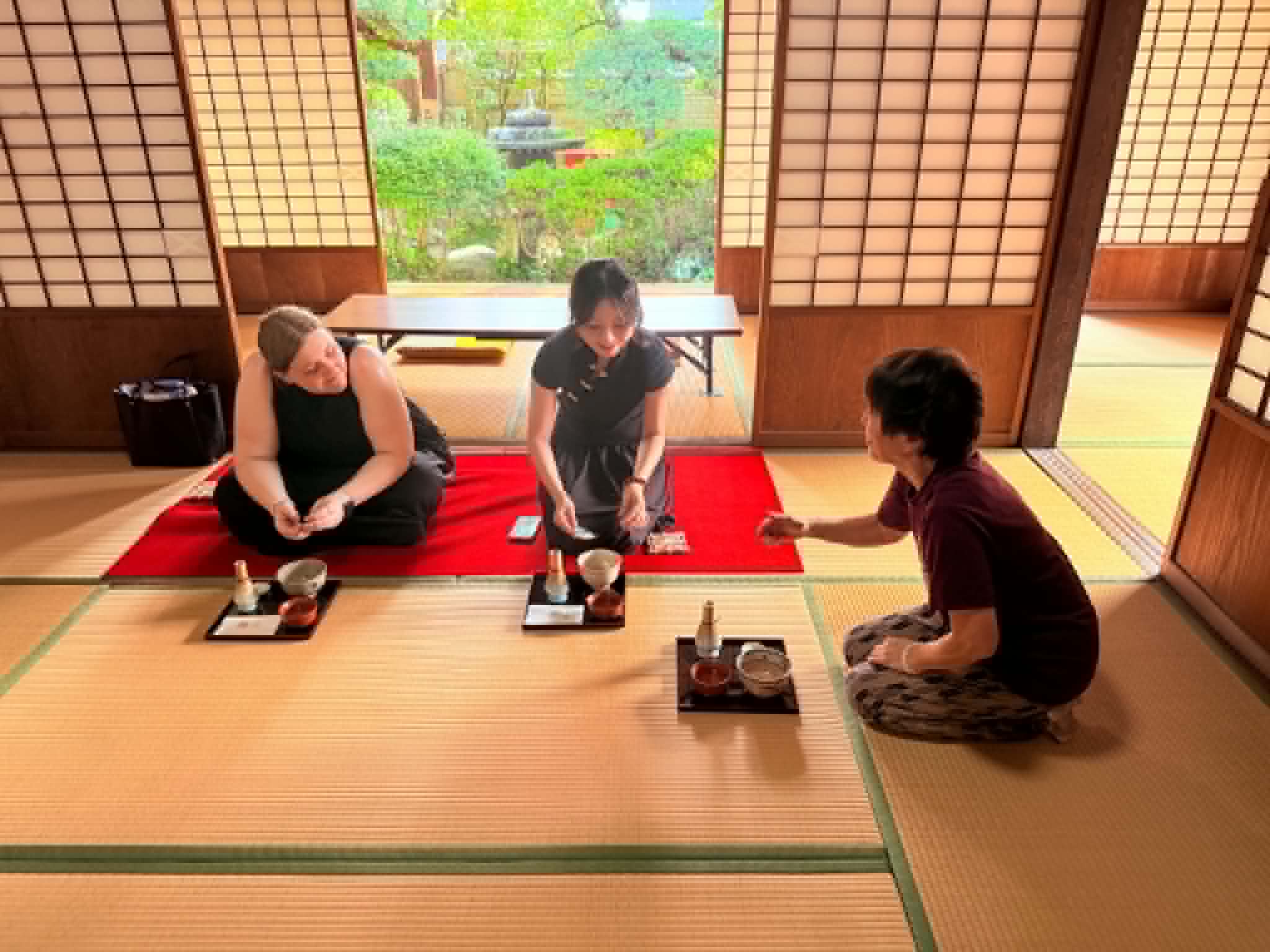
To ensure your spot, I highly recommend booking both experiences in advance.
Learn more about The Former Yoshihara Family Residence here
(2) Shobun Vinegar & Takahashi Residence
Shobun Vinegar has been crafting artisanal vinegar for over three hundred years. Made slowly using time-honored traditional methods, their vinegar possesses an exceptionally mellow and smooth flavor. The onsite shop is open year-round except during the New Year holidays, making it a wonderful place to stop by.
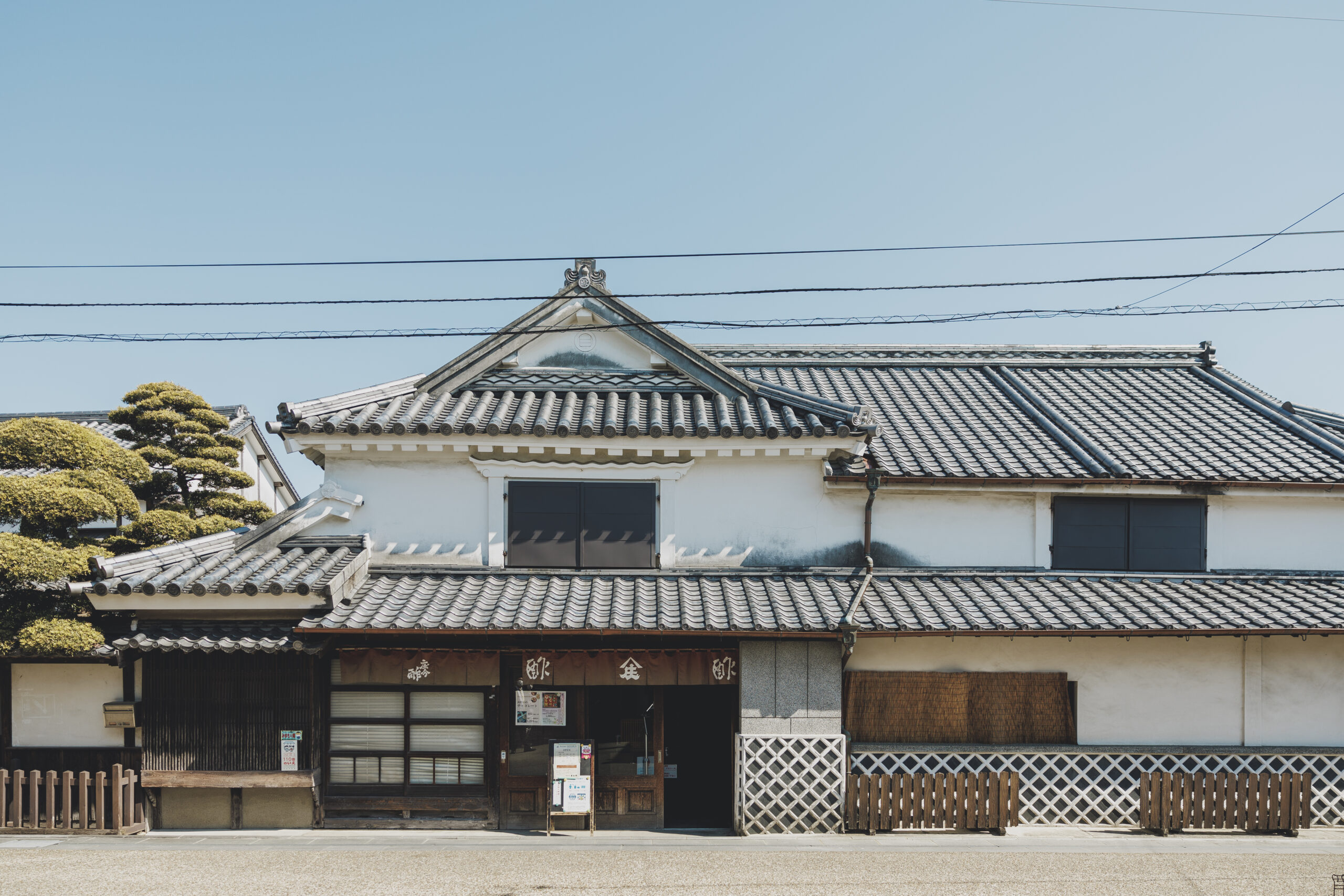
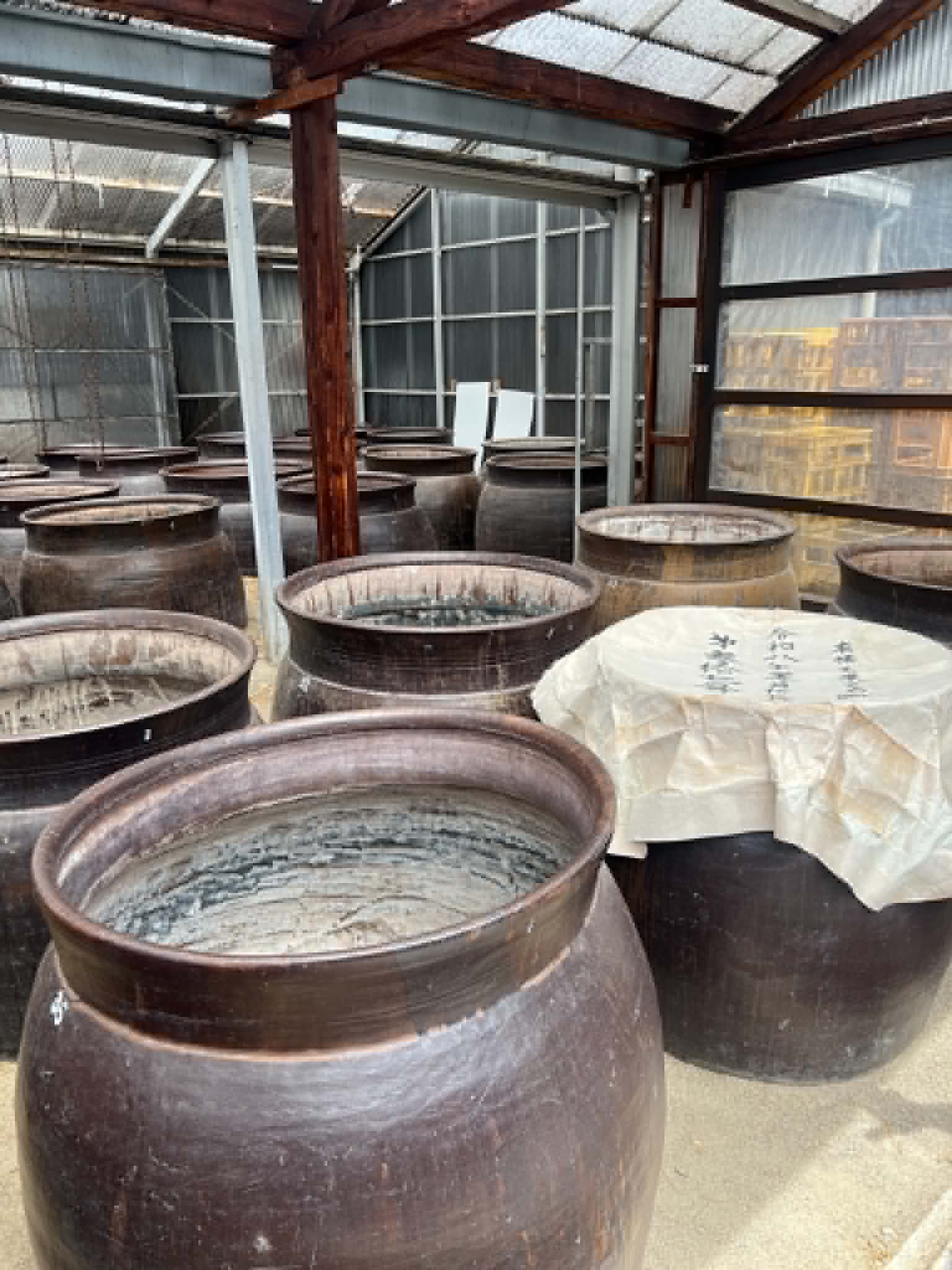
Here, I toured the vinegar brewery and the Takahashi Family Residence, which is a Tangible Cultural Property designated by Okawa City (admission fee applies). At the brewery, I listened to a talk about fermentation, including the process of turning alcohol into vinegar, the active role of microbes, and stories about a secret record of brewing methods passed down only to successors.
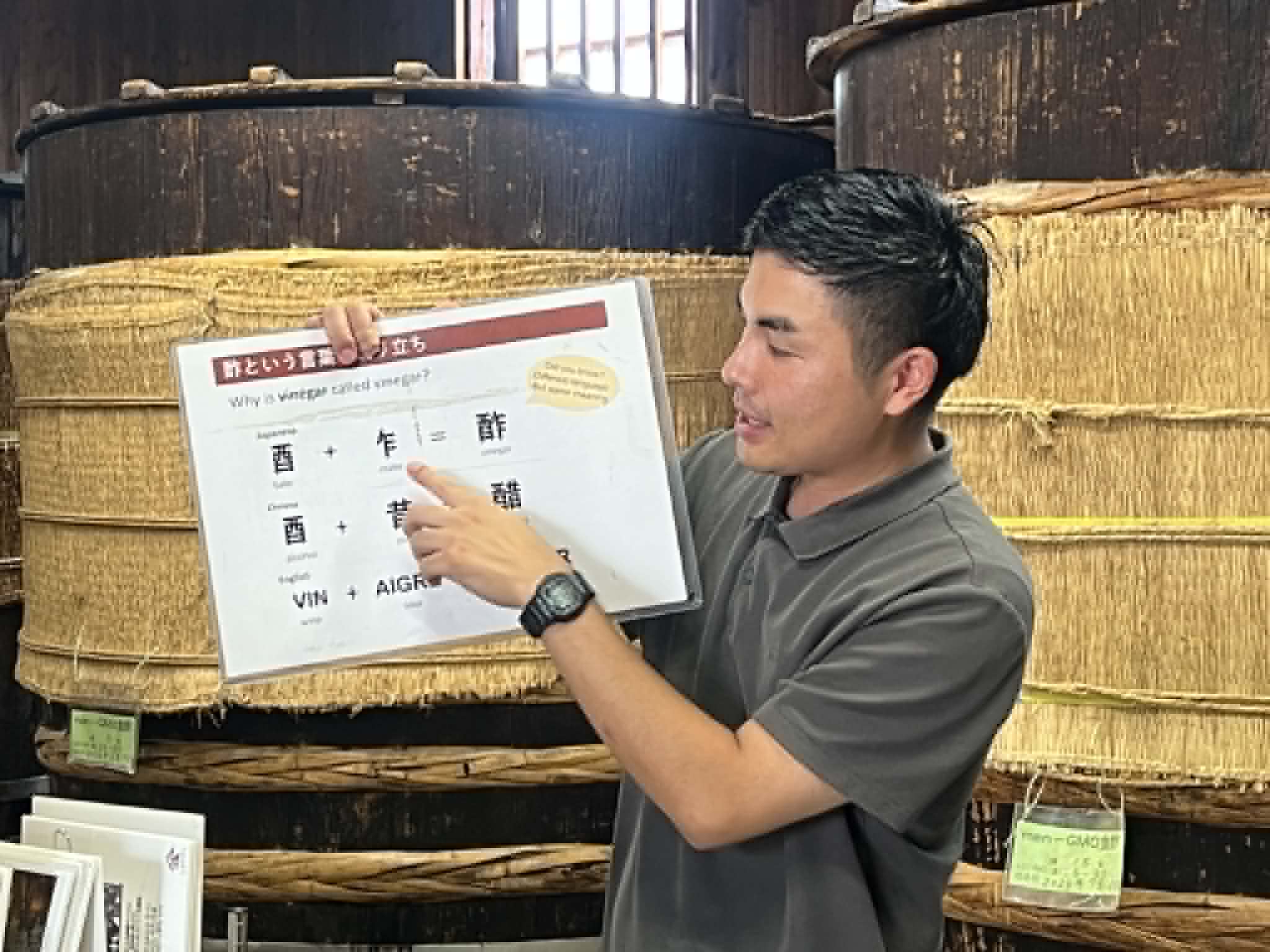
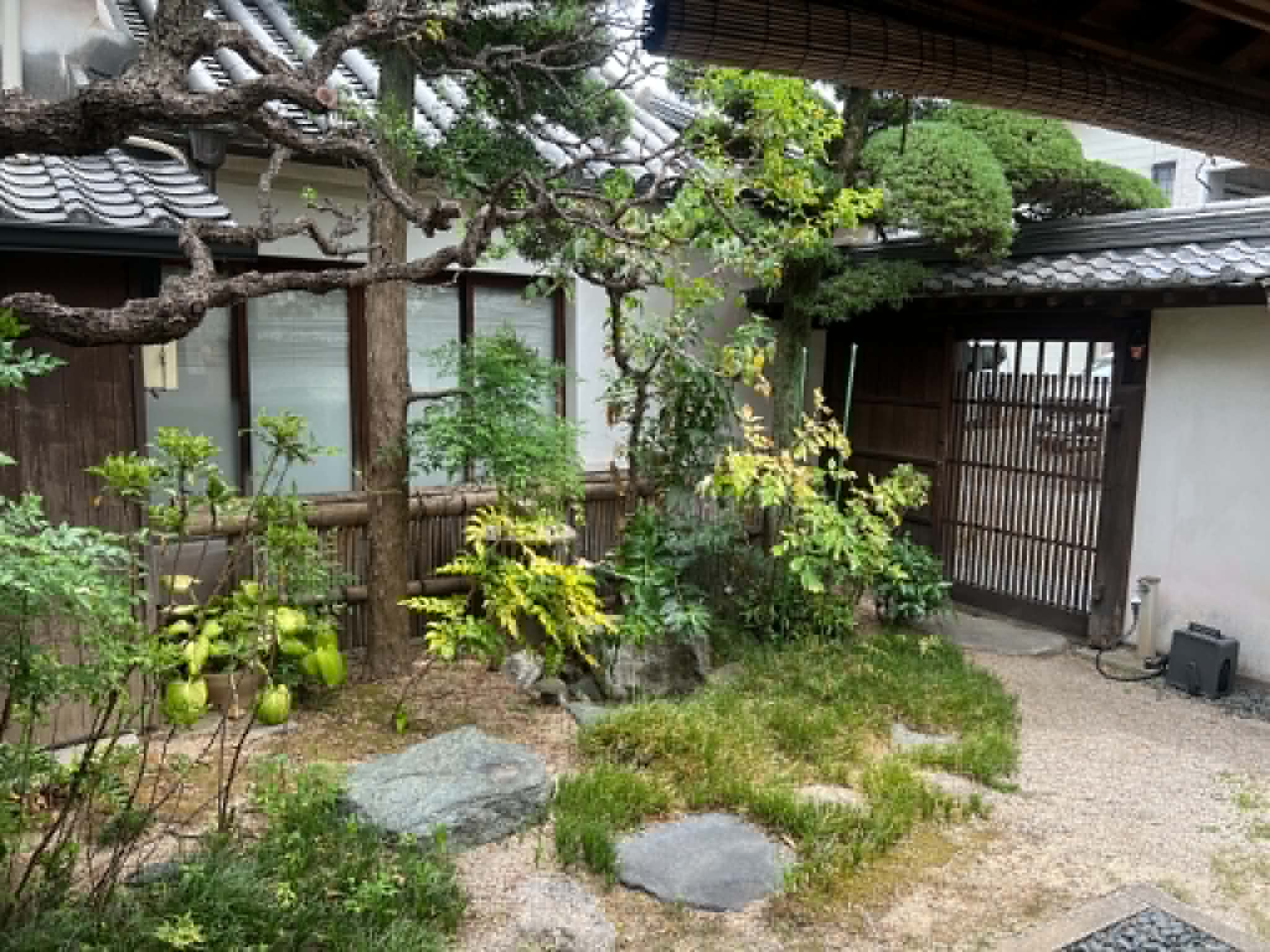
Next, entering the Takahashi Family Residence—which is still used as a private home today—through the garden, I was able to view the beautiful and detailed craftsmanship of Japanese architecture, including a tea room and other traditional Japanese rooms.
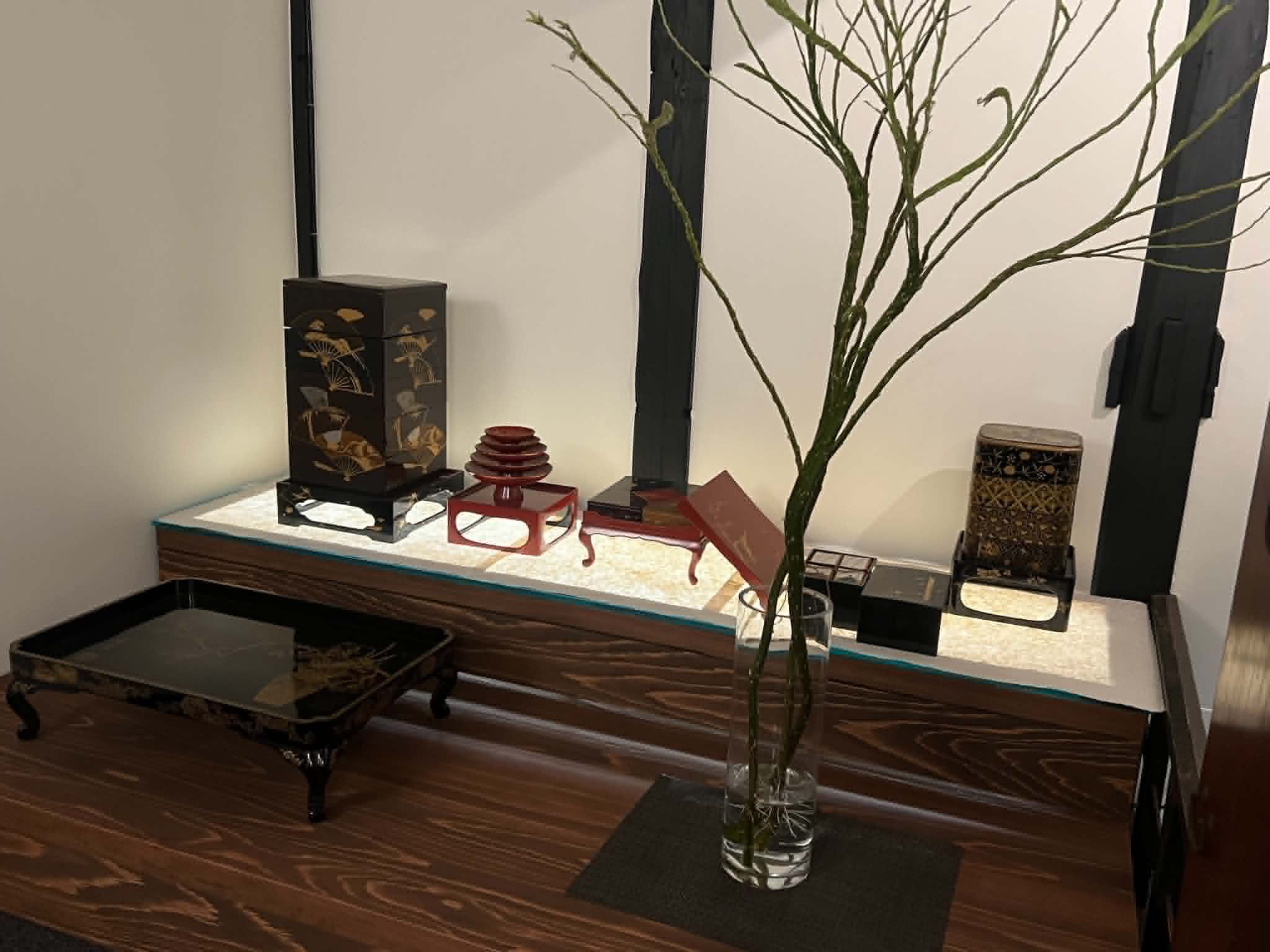
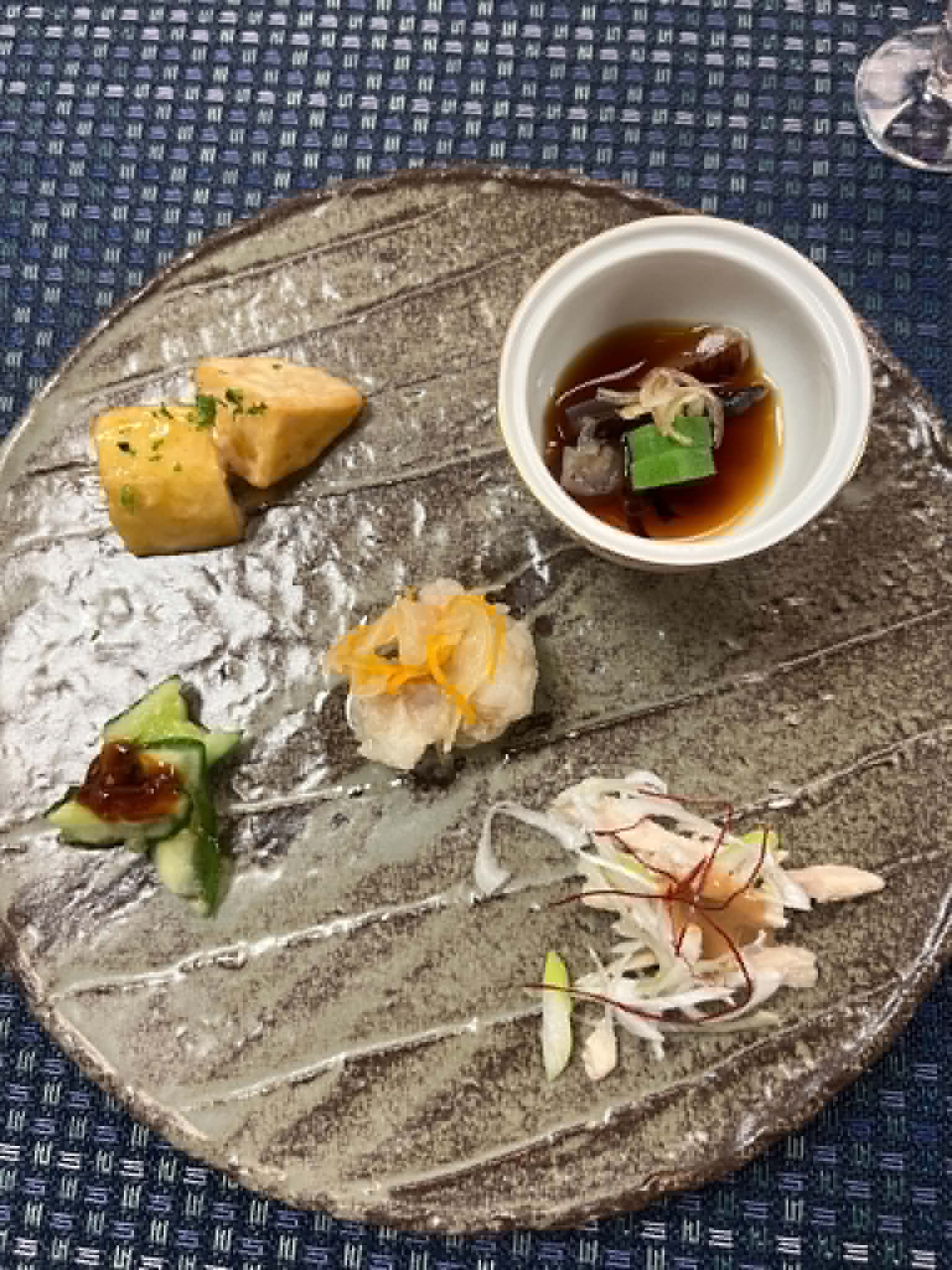
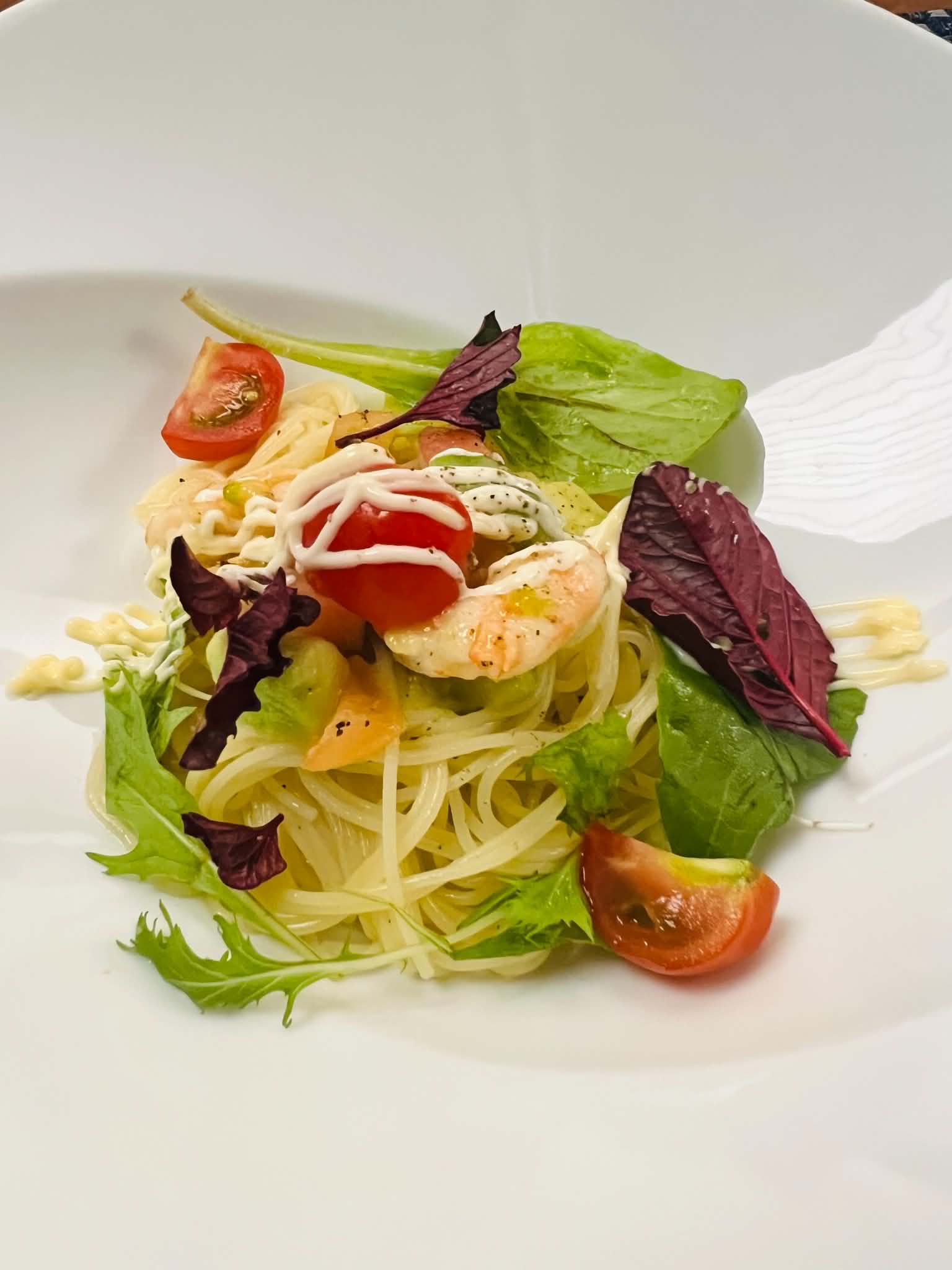
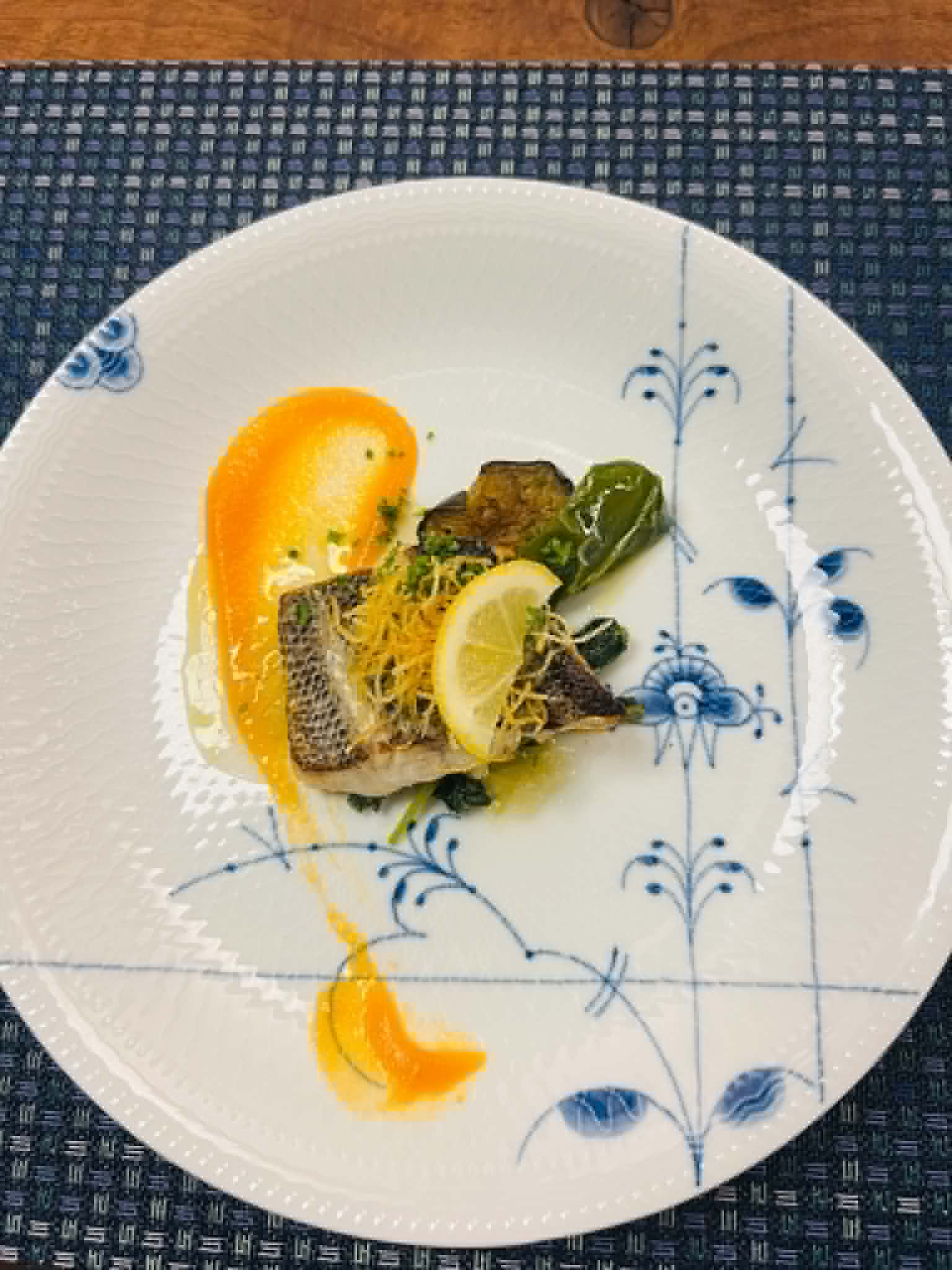
For the highly anticipated lunch, I enjoyed a chef’s choice course menu featuring vinegar, served inside a 270-year-old traditional townhouse building. From the appetizer and pasta to the main dish and dessert, a variety of vinegars enhanced the natural flavors of the ingredients. Historic ceramics and lacquerware from the Takahashi family were also on display, allowing me to dine while experiencing the history of the town.
Please note that the lunch and experiences, such as the vinegar brewery tour, require reservations in advance, so please book using the link below.
Discover 300 Years of Vinegar Craftsmanship & Lunch Experience in Okawa, Fukuoka
Learn more about Shobun Vinegar here
(3) Strolling Through the Hanzakai Clan Border Town
The compact Hanzakai clan border town takes only about 20 minutes to walk around at a quick pace. However, when strolling around there are many spots that make you want to stop and drop in.
With a guided tour, you can enjoy special access to many exclusive places, such as entering temples that are usually closed to the public or opening the doors to a storehouse filled with antique goods. Please note that advance reservations are required.
Learn more about guided tours here
Learn more about recommended self-guided tours
Throughout the town, the cultural properties are equipped with QR codes that provide explanations in multiple languages.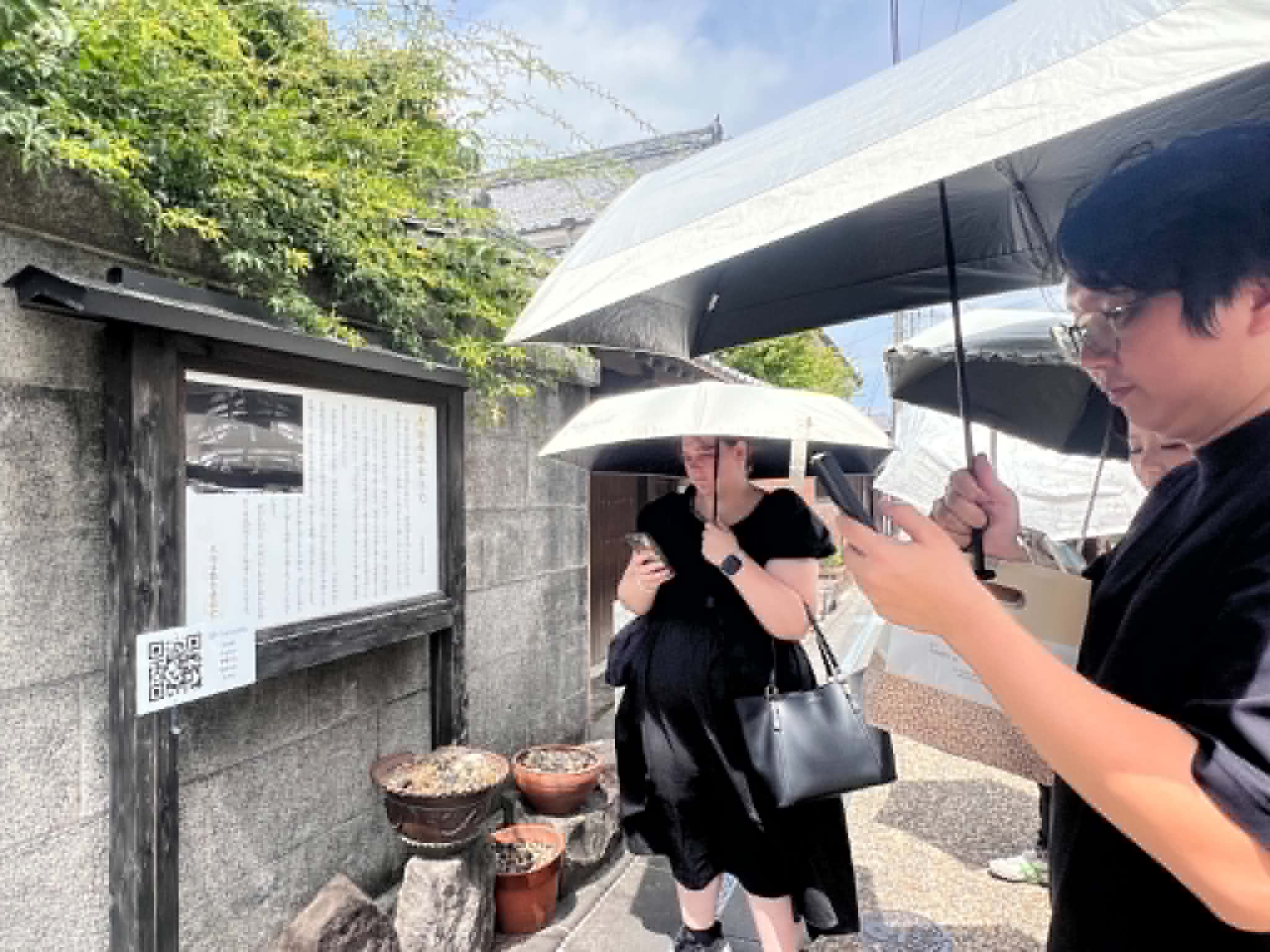
Here are two places I highly recommend visiting while walking around town.
■Nakamura Paper Store
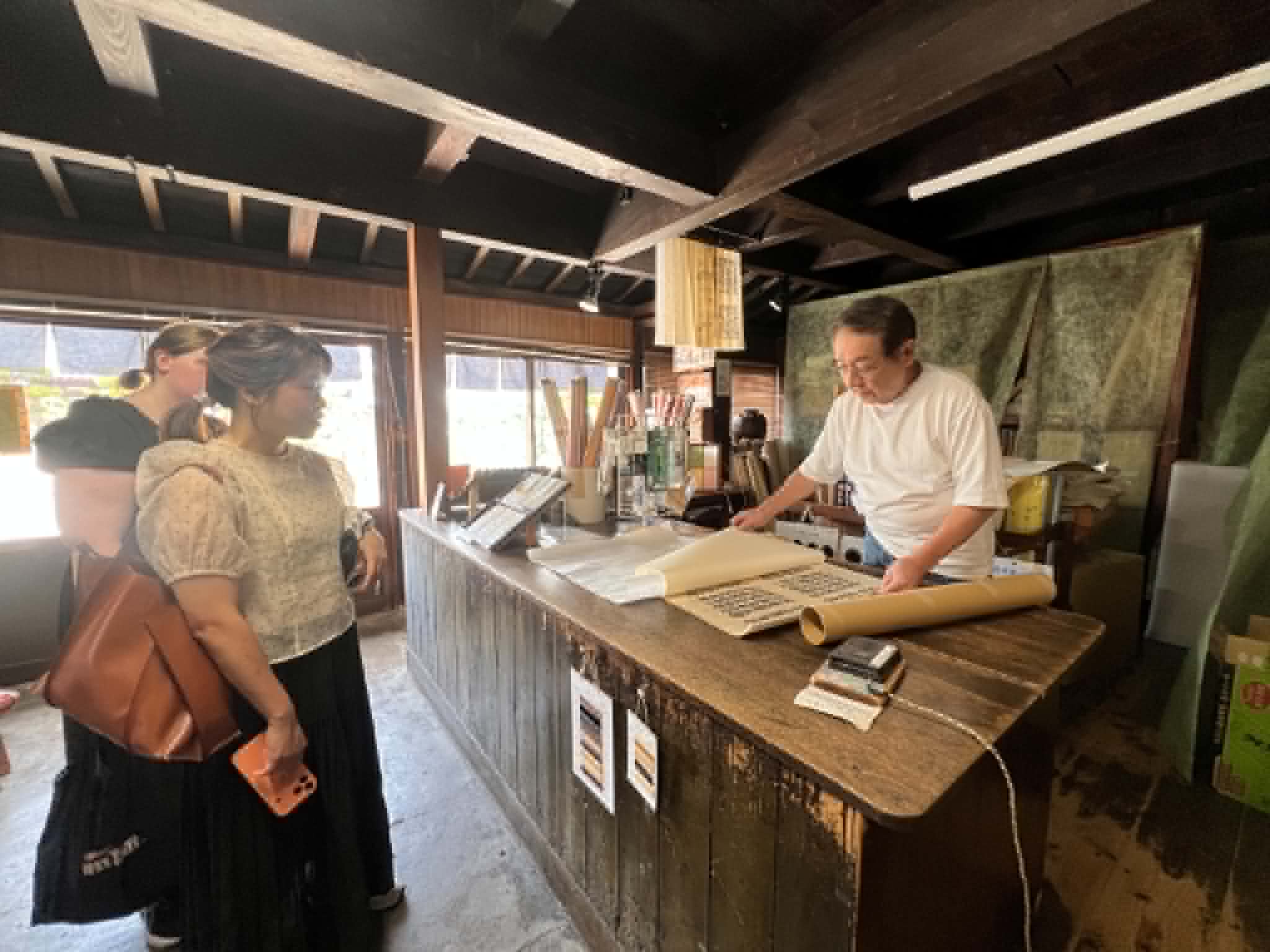
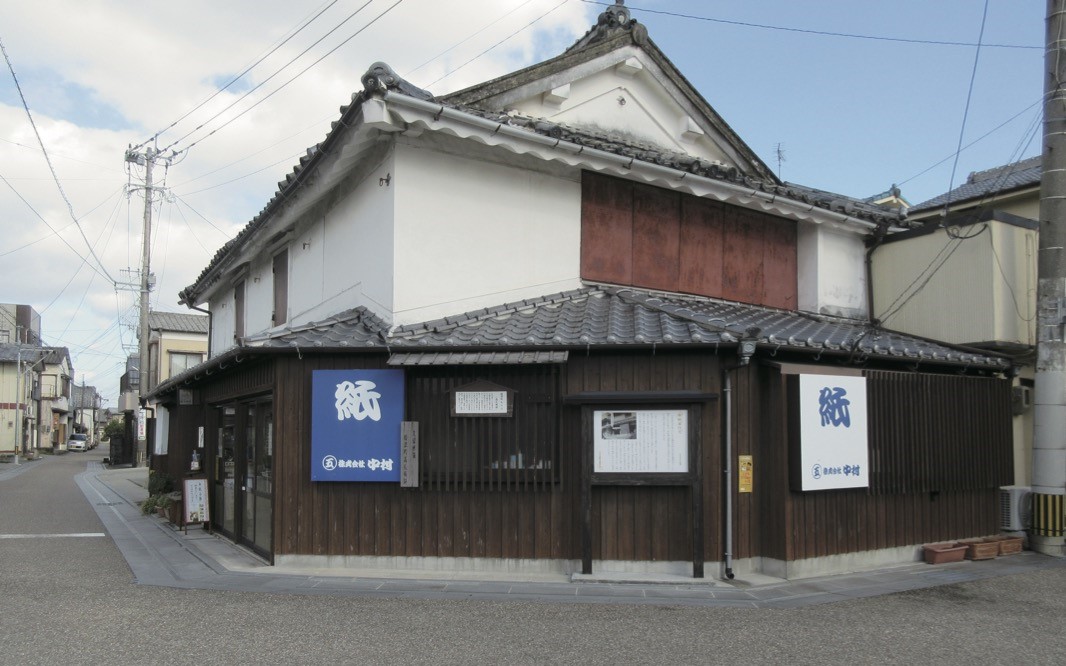
Founded around 1810, this shop initially dealt in daily household goods before transitioning about 80 years ago into a specialty store handling traditional papers used in door and window frames, along with other varieties of traditional Japanese paper. The building is a historic folk house built around 1883 featuring a traditional tiered roof style (irimoya) that was restored between 2023 and 2024. Using remaining tiles, materials, and documents as clues, restoration artisans reconstructed the roof to match its original appearance. This dedication to preserving architectural techniques is visible in each handmade tile and the onigawara (demon-faced ridge end tiles) crafted to protect the home. Visiting in August 2026, I learned that the current head, Takashi Nakamura, serves as the chairman of the NPO Kobo and Enokizu Clan Boundary Town Preservation Society, leading the efforts to protect this historic townscape.
Learn more about the Nakamura Paper Store here
■Hanzakai Monpeya Beta Beta
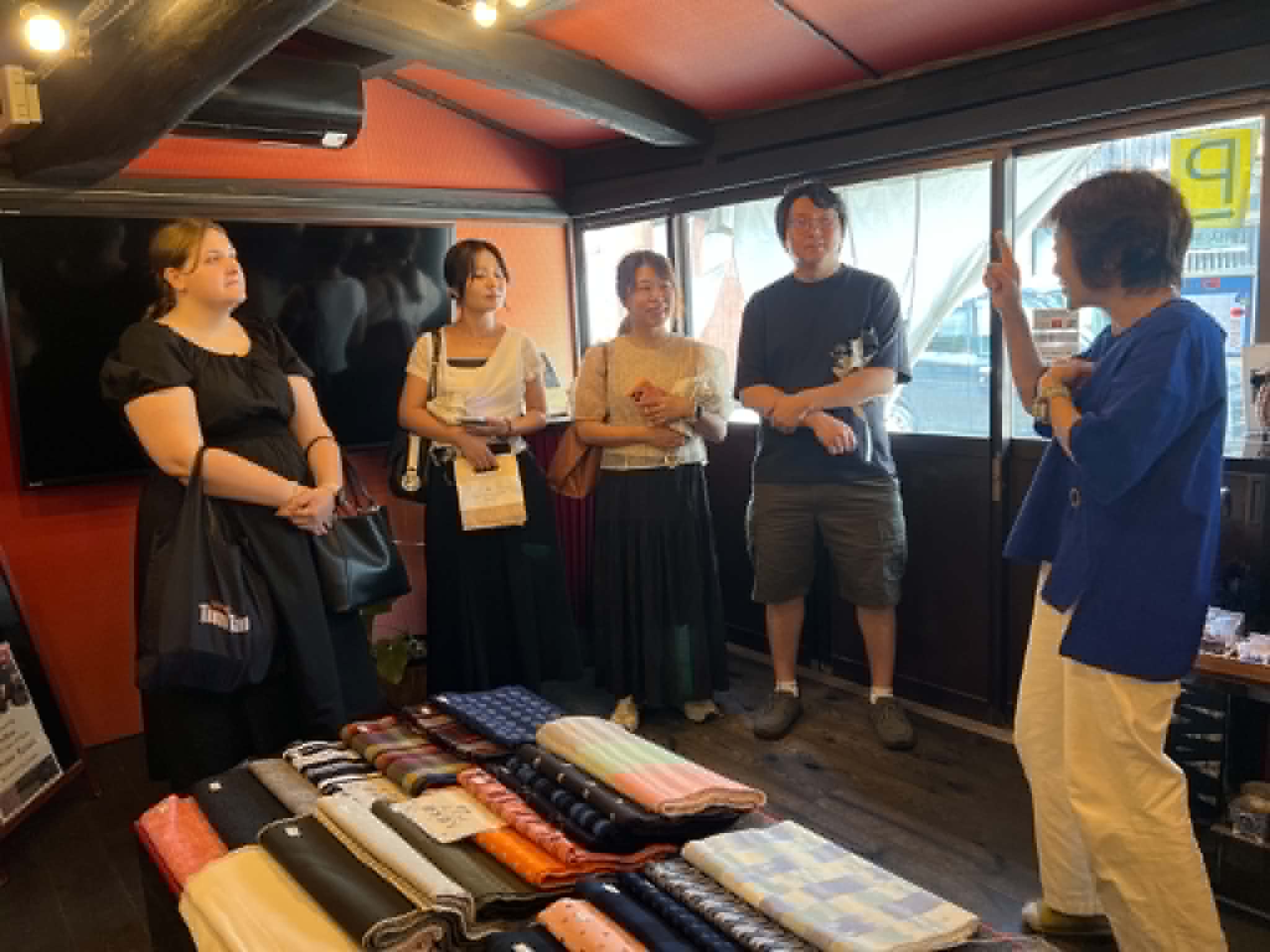
Kurume Kasuri is a traditional cotton fabric with over 200 years of history from the Chikugo region of southern Fukuoka. This durable textile grows softer with use, and features simple patterns, primarily made with indigo dye. It historically supported local daily life as monpe (traditional trousers for farm work). Here, you can choose your preferred colors and patterns to order semi-custom monpe and dresses.
The owner, Hiroko Miyake, is an active leader in preserving this historic townscape and serves as a popular local guide who shares stories about the town’s charm. Visitors can also try making a Kurume Kasuri coaster. As the shop is only open on weekends, we recommend checking their schedule in advance.
Learn more about Hanzakai Monpeya Beta Beta here

I have put together a three-day, two-night itinerary for a relaxing stay in this historic border town.
Day 1
Afternoon: Arrive in the Hanzakai clan border town after having lunch in Yanagawa.
Around 2:00 PM: Tour the Former Yoshihara Family Residence, followed by the Okawa kumiko woodworking and matcha experiences.
Around 3:00 PM: Check in to RITA Okawa Hanzakai and relax at the guest house.
Around 5:00 PM: Take a leisurely evening stroll around the town.
6:30 PM: Dinner at RITA Okawa Hanzakai (featuring traditional kaiseki multi-course seafood cuisine from Sendo Sushi).
Night: Spend a relaxing evening in, enjoying a bath and a peaceful night’s rest.
Day 2
Around 8:30 AM: Breakfast at RITA Okawa Hanzakai.
Around 10:00 AM: Join a guided tour to visit temples and sites usually closed to the public.
Around 1:30 PM: Lunch at Shobun Vinegar, followed by a tour of the vinegar brewery and the Takahashi Family Residence.
After 3:00 PM: Learn from a local artisan by making a small wooden box at Miyazaki Furnishings or trying a lacquerware experience at Morita Lacquerware Store.
Around 6:00 PM: Shop for ingredients and cook dinner using local products in the guest house’s kitchen.
Night: Spend a relaxing and quiet evening at the guest house.
Day 3
Around 8:30 AM: Prepare and enjoy breakfast on your own at the guest house.
Around 10:00 AM: Check out, leave your luggage at the guest house, and go sightseeing around the area by car or taxi.

